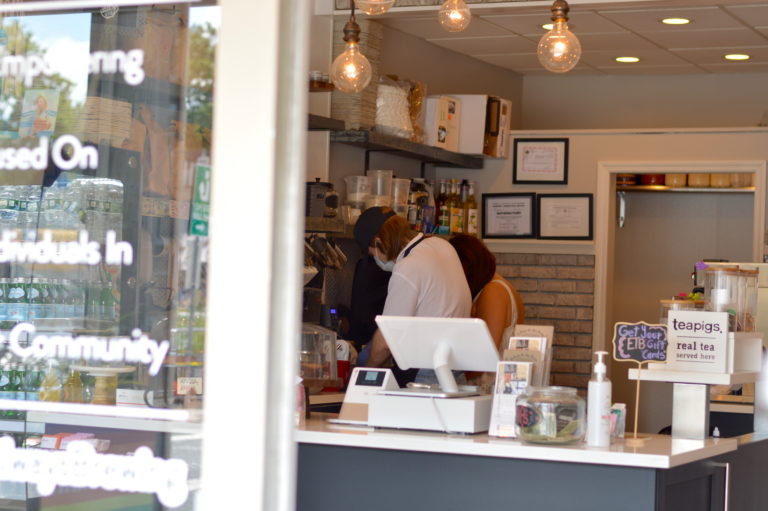
Despite what small businesses have been through in recent months, Ethan & the Bean remains open, spreading joy and creating employment opportunities for individuals with intellectual and developmental disabilities (I/DD).
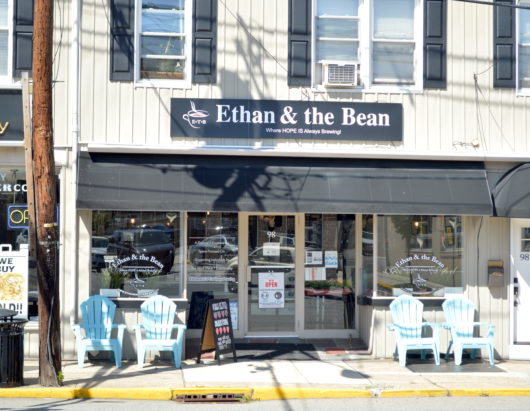
Ethan & the Bean exterior
The Little Falls, NJ, coffee shop opened in November of 2019 with the goal of reducing the disparity in employment for people with I/DD. Founders Pam and Pat Donovan opened the shop with their son Ethan in mind.
The coffee shop’s namesake, Ethan, working on a painting.
For Ethan, who has has epilepsy and autism and uses an alternative method of communication, job opportunities were not readily available for him as he approached aging out of public schooling. Thankfully, Pam and other likeminded social entrepreneurs identified this untapped, underrepresented talent in the workforce. And they’ve challenged the status quo with inclusive business models.
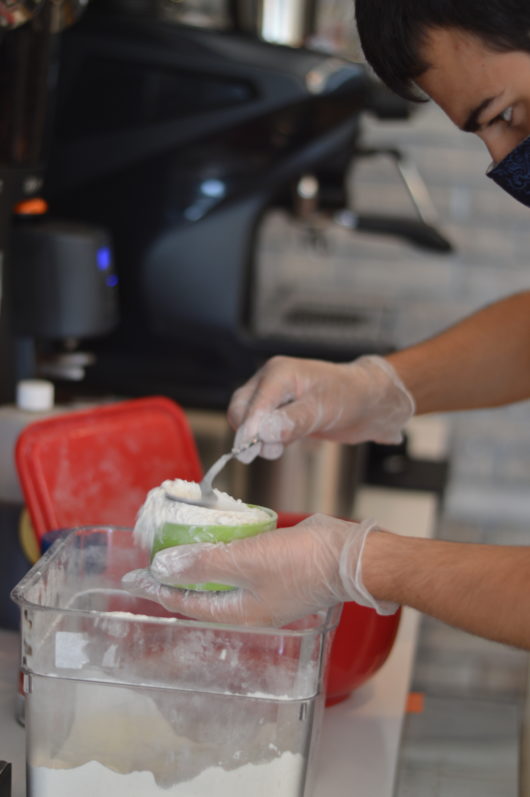
Rocco measures flour for a batch of ricotta cookies.
Creating Opportunities
The shop provides training and gainful employment to Ethan and a few other individuals with varying disabilities. The true mission, however, is to shift the mindset of society, one cup of coffee at a time.
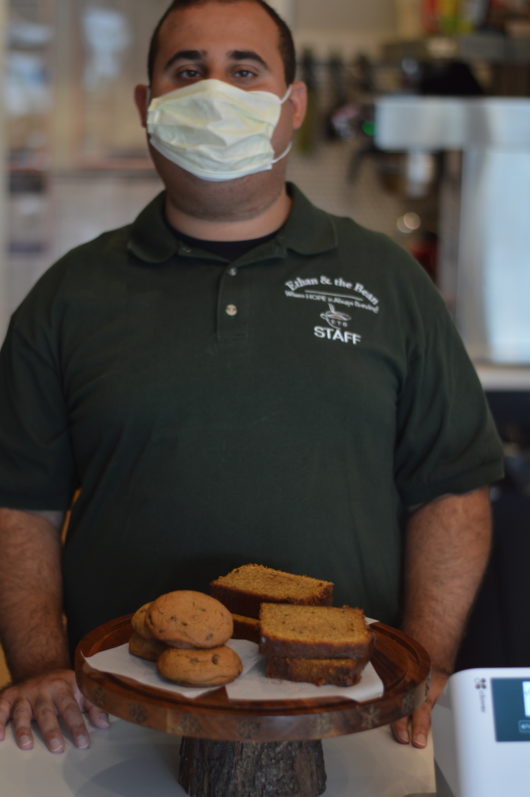
Mike presents baked goods he prepared with his colleagues.
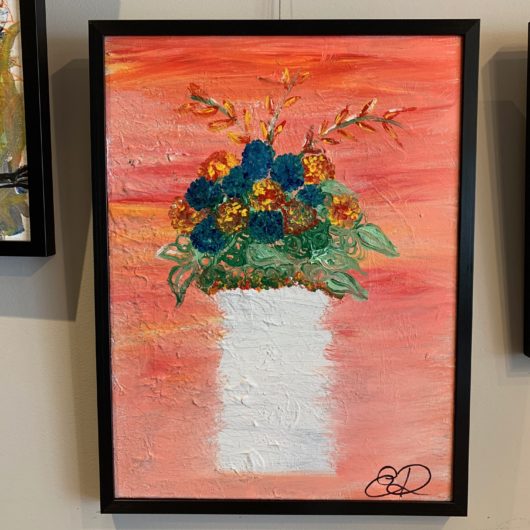
The space centers the unique passions, skills, and dreams of each person on the team. Beyond coffee and confections made in house, Ethan & the Bean is also an art gallery, showcasing many of Ethan’s works, some of which are for sale to the public.
The art gallery showcases many of Ethan’s works.
Now that the shop is open and indoor dining is resuming in NJ, there is no telling what this next chapter will look like. To begin, the team has plans to roll out new seasonal items, expand gift offerings in the marketplace, and develop more community programming. Coffee and merchandise are also available online.
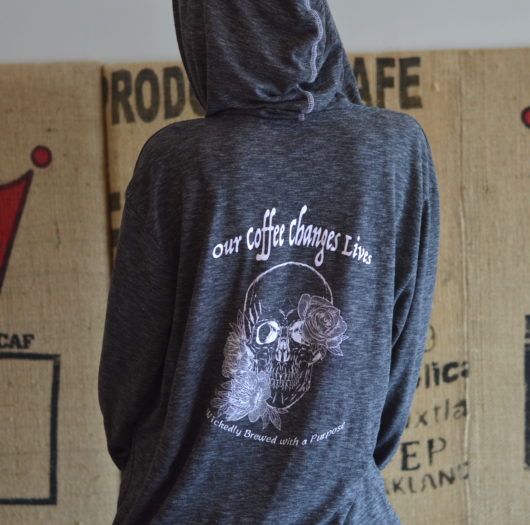
Ethan & The Bean merchandise
Fall hours:
Monday to Saturday: 9 a.m. to 4 p.m.
Sunday: 10 a.m. to 2 p.m.
Hours are subject to change.
Harvest Bistro’s owner, Tushar Patel, procured a Madison, New Jersey, delicatessen back in 1996. He named the local deli On a Roll and ran it for over 20 years. Recently, Patel rebranded the establishment to something more personal and refined: Harvest Bistro.
Tushar Patel outside his restaurant, Harvest Bistro, in Madison, NJ
The Back Story
“I went through a rough point in life about my mid-30s,” Patel said. “There was a lot of hard work through that time. The harvest is the hardest time in anyone’s life. There was just a whole ‘season’ [of change].”
Patel said his personal journey led him to rediscover what he wanted out of his restaurant. He was looking to build a fresh-to-table eatery, featuring an eclectic menu of inspired cuisine.
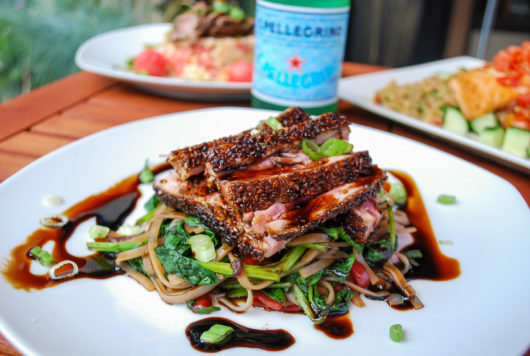
Sesame Crusted Ahi Tuna warm rice noodles + spinach + cashews + grape tomato house teriyaki or balsamic redux
Patel was born in India but raised in Irvington and Union. He notes that his fixation with food comes from his parents, with whom he cooked family meals growing up. Because of that, he views cooking as a familial experience.
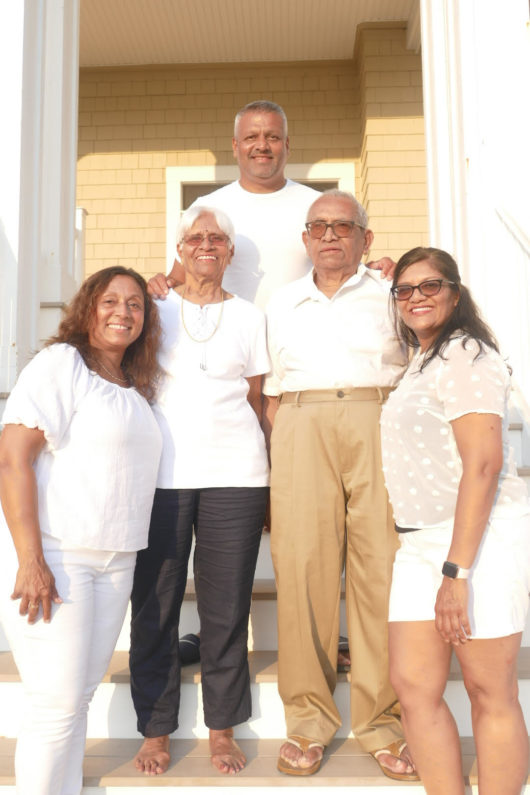
Tushar Patel and his family
A Meaningful Menu
Patel describes Harvest Bistro’s menu as diverse, with many ingredients made in house. And although the selection changes with the seasons, some options are non-negotiable. For example, the coconut chicken and red grape salad is a keeper—for sure. This one is an offering from the restaurant’s previous iteration, and it’s here to stay.
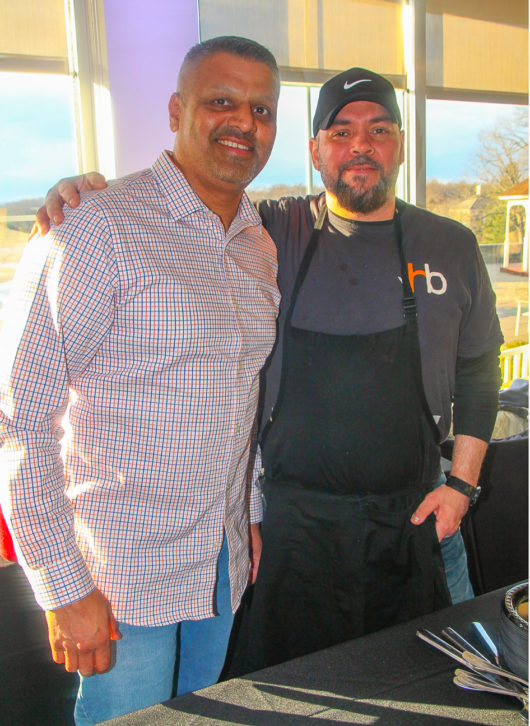
Owner Tushar Patel and Chef Walter
The same goes for the bistro’s crispy cauliflower, which is a tapas-style dish. It’s an offbeat blend of garlic and spices and the brainchild of a collaboration between Patel and Harvest Bistro’s chef, Walter Fernandez.
Over the years, a remarkably classic dish has become a local favorite as well: chicken fingers. “I have one customer who orders more than 2,000 pieces of chicken fingers each year from us,” Patel said.
The rigatoni brisket Bolognese is perpetually in demand as well. “People have requested that by the container,” he said. On a similar note, on the occasion that Patel removes the Cuban sandwich from the specials list, patrons immediately ask for its return.
A Creative Approach
Harvest Bistro captures inspiration from cuisine around the world, and takes an American approach to international flavors. “We play with our food,” Patel said. He revitalizes worldwide fare such as Asian and Italian, infusing each with American tradition. The menu offers a plate for any palate. With that in mind, Patel doesn’t shy away from the chance to create something new upon request. “If it’s not on the menu and we have it, we’ll do it for you.”
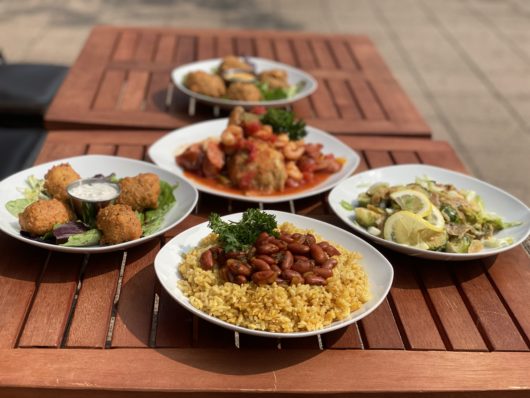
Weekly themed Family Meals. Pictured here is the Cajun Family Meal.
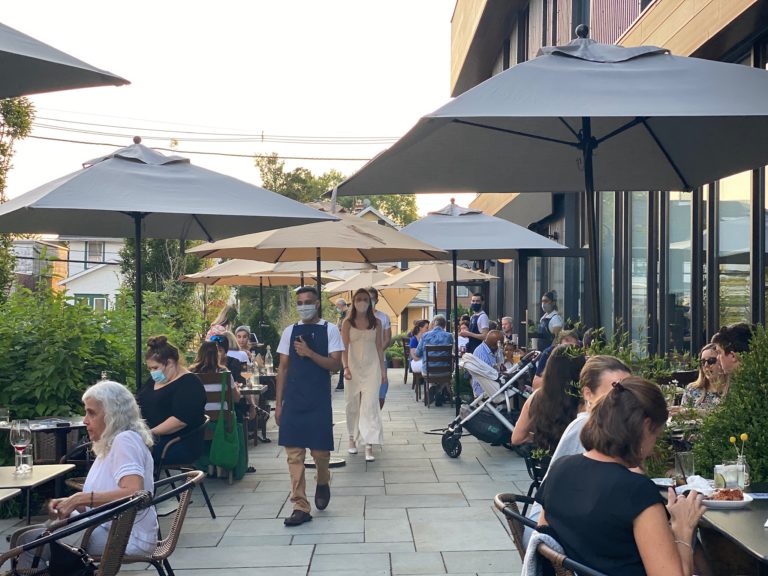
Harvest Bistro is a BYO establishment offering ample outdoor seating with tents for rainy days. The restaurant also provides a full catering menu for both private and corporate events. Dietary accommodations, such as gluten-free requests, can be fulfilled when you call ahead, whether you’re dining in or taking out.
Harvest Bistro
50½ Main Street
Madison, NJ
973-822-3644
Tuesday and Wednesday: 11 a.m. to 3 p.m.
Thursday through Saturday: 11 a.m. to 8 p.m.
Sunday: Catering and private parties
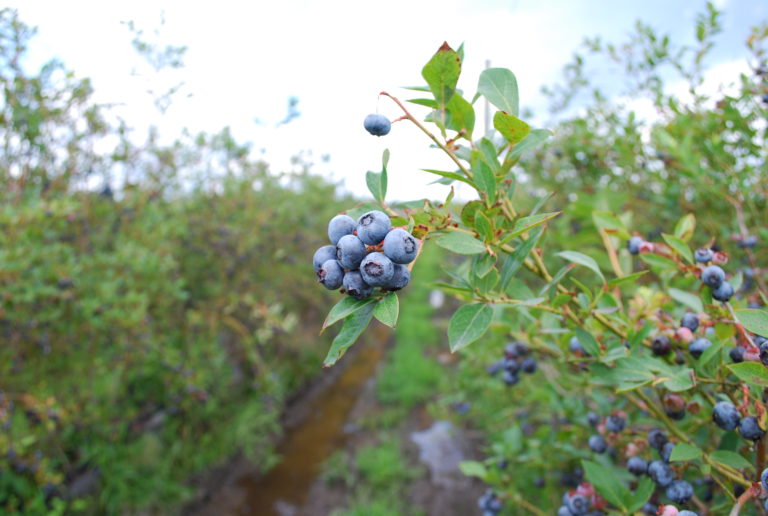
Tiffany Bohlin’s grandfather was a blueberry grower. When Bohlin moved to South Africa in 2006, she wasn’t expecting to learn she had the same love for the super fruit.
Here’s what happened: Bohlin discovered a sustainable, organic growing operation out of Cape Town. She immediately knew she had found something that could change the way New Jersey blueberries are grown and harvested each year.
The Endeavor Begins
Bohlin invited officials from the United States Department of Agriculture to South Africa to review the operation, hoping it could be brought to the United States. “They said to me, ‘This would really work well in America,’” Bohlin said. From there, officials brought scientists down to see if a similar platform could be built in the U.S. By the end of 2015, FullBlue360 blueberry farm in Lacey Township was up and running.
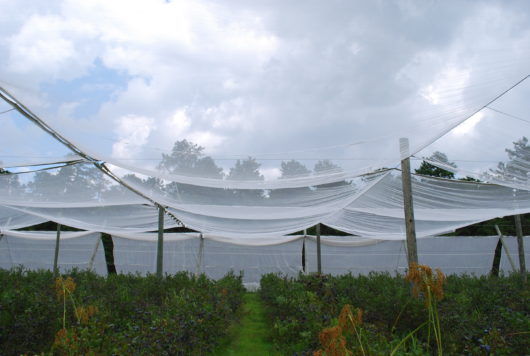
Retractable netting keeps the environment humid which blueberries love
How it’s Done
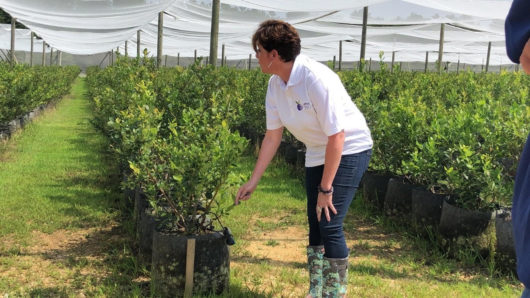
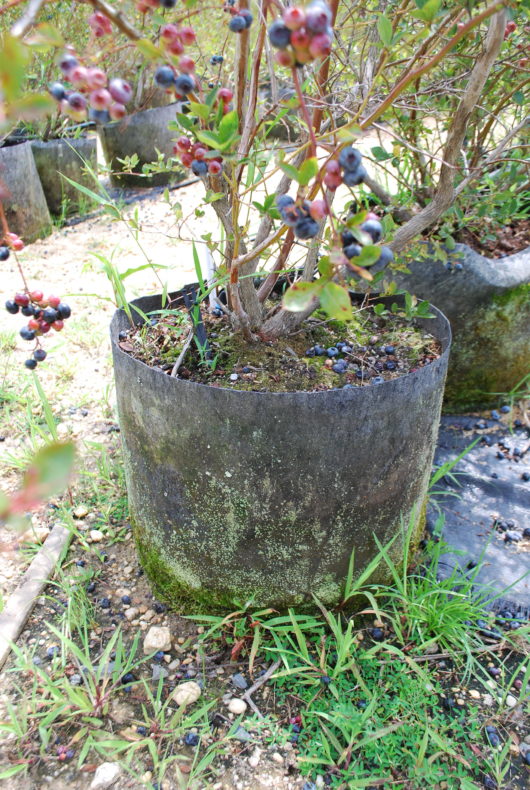
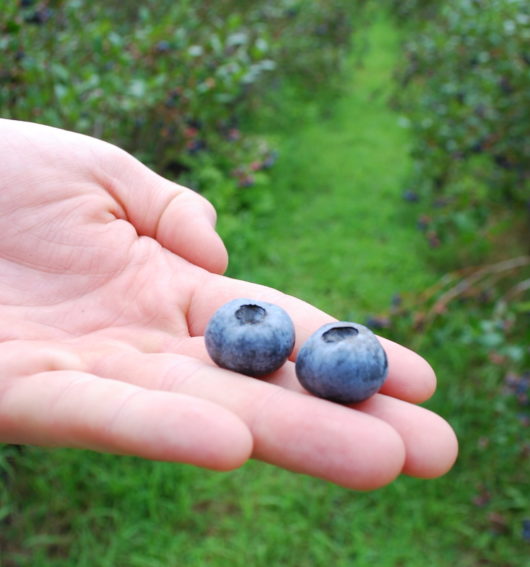
The sustainable growth process uses retractable netting and a bagged technique to give the berries the perfect environment to grow year-round (where climate allows) while reducing overall irrigation. In New Jersey, Bohlin says the growing season is extended by “a good month.”
Bagged technique gives berries the perfect environment to grow
The blueberries grow using up to 70% less water than standard irrigation practices would use. The process requires no soil, making the blueberries perfect for growing in various climates, and the sustainable growth medium increases annual blueberry yields by 200%. Plus, FullBlue360 blueberries comply with USDA organic standards, and the minimal water requirement ensures that the berries can be grown regardless of water scarcity or agricultural issues resulting from climate change.
Overseas Adventure
When production on the Lacey farm began, Bohlin was still living in South Africa. Her vision had become greater than a passion project. “For the first two years of the operation, I traveled back and forth [from South Africa to the U.S.] at least five times each year,” Bohlin said. She returned to New Jersey for good in 2018.
Berry Choice
Bohlin chose to build her platform around blueberries because of their stability, popularity, and health benefits. “If you’re using a system like this, you want to pick a fruit that is stable in the market,” Bohlin said. “And while they’re a popular fruit, they’re variable. You never know the quality you’re going to get. Finally, we can get a [reliably] quality blueberry.”
The organic protocols don’t allow the farm to offer a pick-your-own option, but the berries are available in grocery stores around the state. Bohlin is hoping to move FullBlue360 berries to some online platforms next year as well.
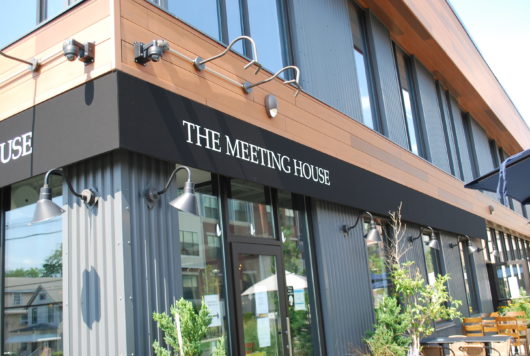
Owners of The Meeting House in Princeton, Amar Gautam and Amanda Maher, were looking for a change of pace. The New York City couple wanted a home with a backyard, where they could raise their three young children. Upon exploring the upscale suburban town of Princeton, with comfortable access to New York City and Philadelphia, they were sold.
Amar Gautam and Amanda Maher
The Meeting House Vision
The two had entertained the idea of entering the hospitality business, since Gautam had owned a bar in Midtown prior to the family’s move. When a longtime Princeton restaurant owner was looking to sell, Gautam and Maher took the plunge.
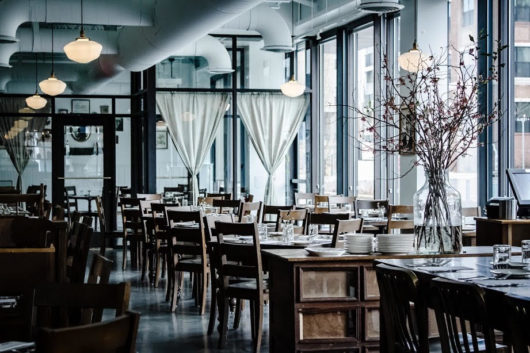
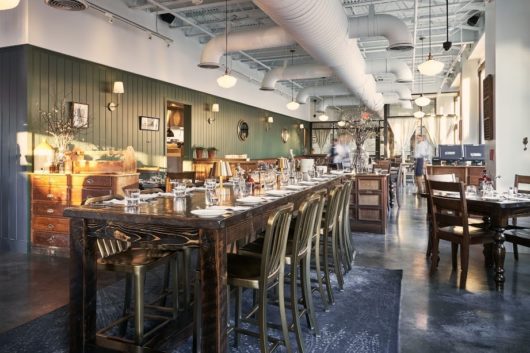
Their vision was simple: Fine dining in a casual atmosphere that appealed to couples, friends, and families alike. “We wanted great service and pretty plated food,” Maher said.
The couple worked with a restaurant consultant from the city to help establish the eatery. The menu changes seasonally, and Maher and Gautam praise their head chef, Chef Vito, for the menu selection. “He’s done a phenomenal job of taking our existing menu and updating it,” Gautam said.
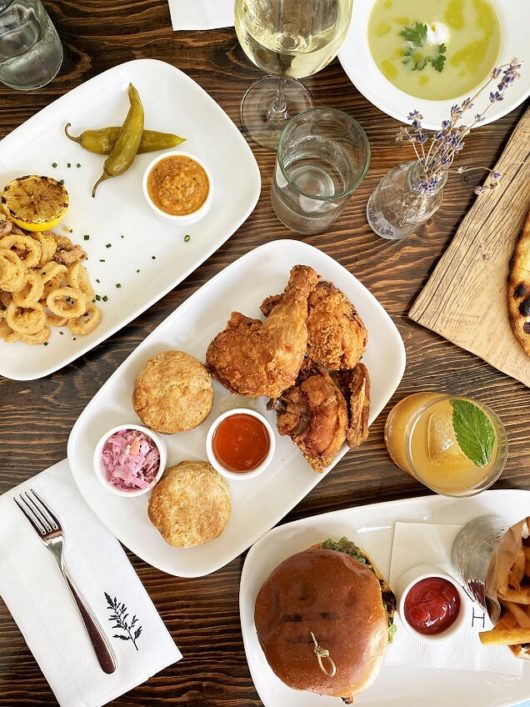
The Meeting House’s fried chicken and biscuits have kept customers returning. Served with apple coleslaw and chili honey, the dish perfectly executes the couple’s vision of upscale yet modest fare.
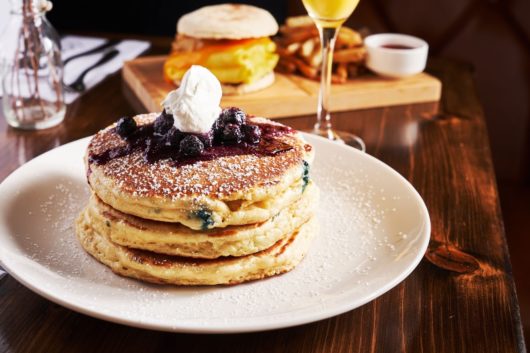
Brunch is offered on weekends, and the pancakes are the most sought-after choice. “The pancakes are really, really good,” Gautam says, adding that the bacon is cured and sliced in-house. Since the chicken is a “huge hit,” the restaurant now offers a pairing of pancakes and fried chicken during brunch—a tasteful twist on classic chicken and waffles.
The Drink Menu
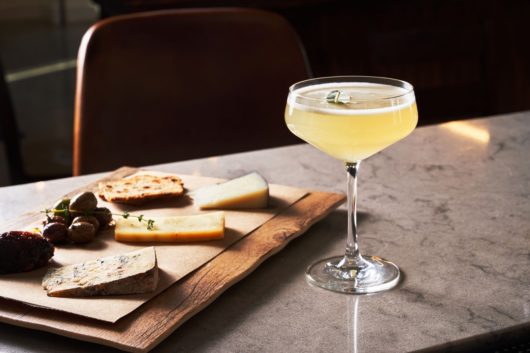
The restaurant’s drink menu changes throughout the year as well, and Maher considers The South Side to be her seasonal drink of choice. The cocktail features black tea-infused bourbon, ginger liquor, peach syrup, lemon, and bitters. Gautam’s favorite is the El Jefe, a sweet and spicy blend of Mezcal, agave-jalapeño, grapefruit, lime, and bitters. “We have some phenomenal bartenders; some super creative men and women,” Gautam says.
The restaurant, which opened in November 2019, had to quickly find a new normal when the global pandemic severely impacted the dining industry. Despite the uncertainty, the Meeting House wanted to give back to those who had served them so well.
“When we shut down, we immediately decided we would continue to make meals for our staff members,” Maher says. The couple began participating in Share My Meals, a local nonprofit focused on eliminating food waste and feeding the community. The restaurant now provides up to 300 meals per week for neighbors in need. “When things were really bleak, it was a really nice thing to participate in.”
The Meeting House takes reservations and walk-ins for its indoor and outdoor seating. Reservations are recommended on weekends, especially for brunch. The restaurant occasionally holds wine-pairing events and hopes to launch similar experiences for beer pairings down the road. “We want to create a culture where everyone is happily having dinner together,” Maher says. “We’re trying to find the sweet spot for everyone, and I think it’s working.”
The Meeting House
277 Witherspoon Street
Princeton
609-436-7891 Website
Tuesday though Thursday: 4 p.m. to 8:30 p.m.
Friday and Saturday: 4 p.m. to 9:30 p.m.
Sunday dinner: 4 p.m. to 8:30 p.m.
Saturday and Sunday brunch: 11 a.m. to 2:30 p.m.
The writer was invited to visit Blu Grotto and the meal was complimentary.
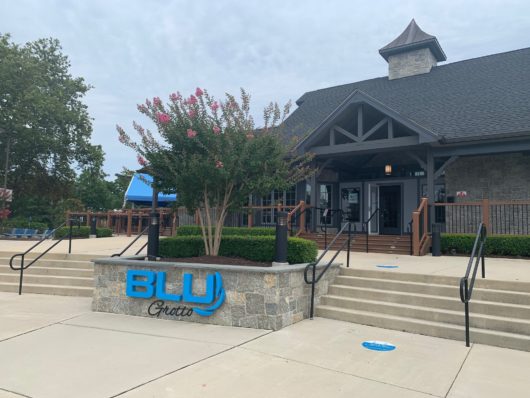
Blu Grotto is located on the grounds of Monmouth Park in Oceanport, a Garden State shore town. The eatery focuses on modern and classic adaptations of regional Italian cuisine, and has recently reopened its expansive outdoor dining spaces for its loyal local customers and shore visitors, and for live horse-racing enthusiasts.
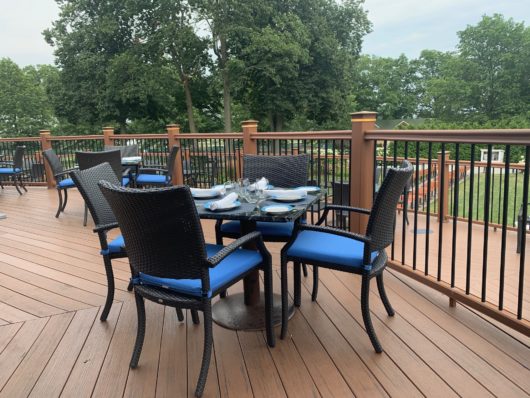
The three outdoor patios have been reconfigured to allow for proper social distancing of its 84 seats, overlooking the lavish gardens and Monmouth Park Racetrack.
Blu Grotto also offers a popular Beer Garden, with a casual small plates menu featuring items like the traditional Maine lobster roll, a burger and a hot dog by meat purveyor extraordinaire Pat LaFrieda, and signature pizzas from Blu Grotto’s outdoor, blue-tiled pizza oven. The Beer Garden is open Thursdays (bar and food available at 3:00 p.m.) and Friday, Saturday, and Sunday (bar opens at 1:00 p.m., food is available at 2:00 p.m.).
About Executive Chef James Corona
Executive Chef James Corona is a Batali and Bouley alum who’s best known for tapping into “modern Italian cuisine with a soulful yet minimalist approach.” Chef Corona features high-quality ingredients in his cooking and plates dishes without complicated additions or fussiness.
About the Food and Libations
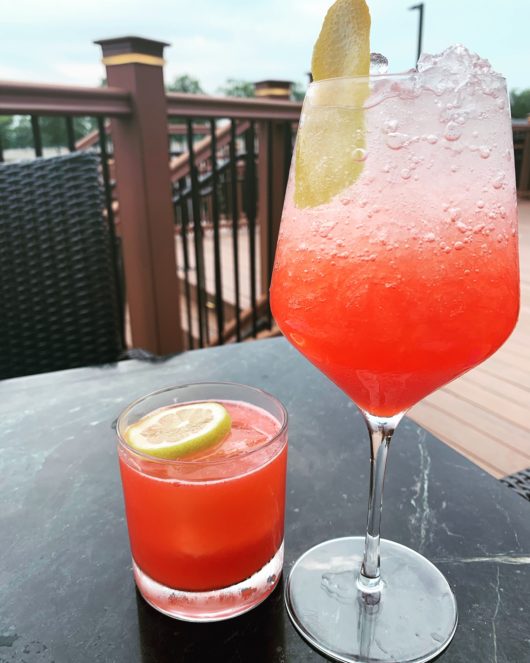
Blu Grotto’s menu ranges from salads/antipasto to primi to secondi to dessert, in proper Italian fashion. The restaurant offers an interesting wine list with some fan favorites but also some more obscure finds that I could really get into. We really enjoyed artisanal cocktails, like the Grappolo: a blend of Codigo 1530 tlanco tequila, Giffard grapefruit, lemon and soda. And the buds, berries and bubbles: a combination of Lillet Rose, Aperol, strawberry, raspberry, lemon, and soda. Both were well made, refreshing on a warm day, and delicious.
Chef Corona’s made some changes to his modern Italian menu to accommodate outdoor dining and will continue to offer curbside pickup and delivery service.
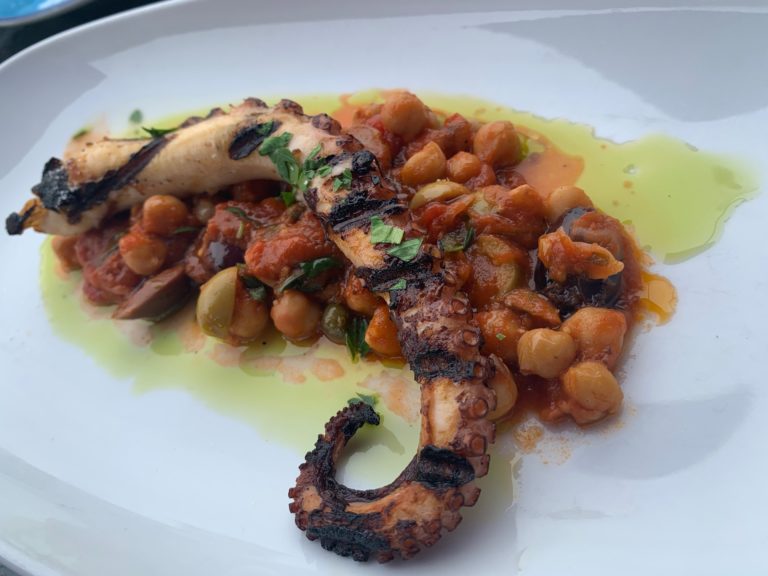
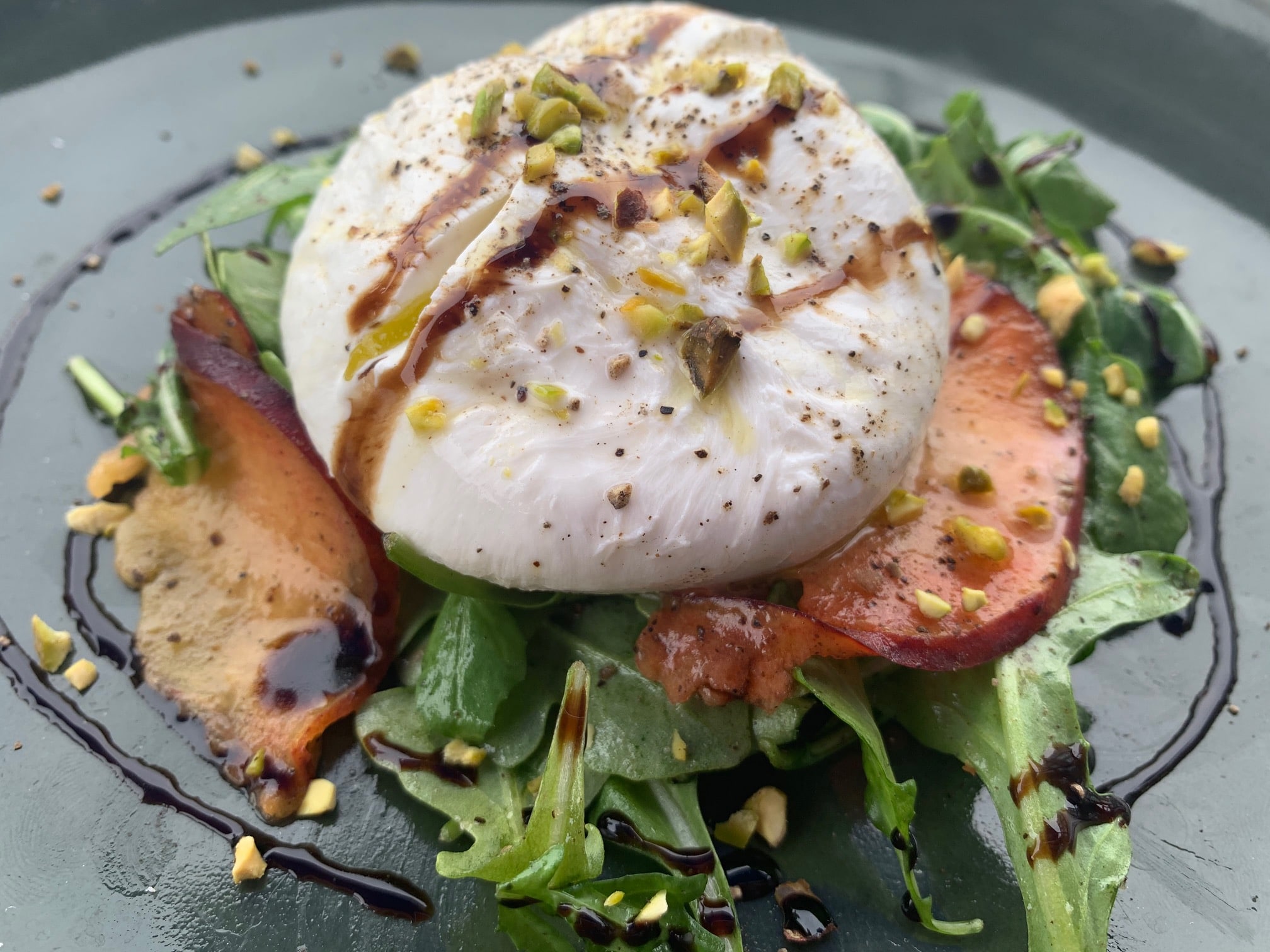
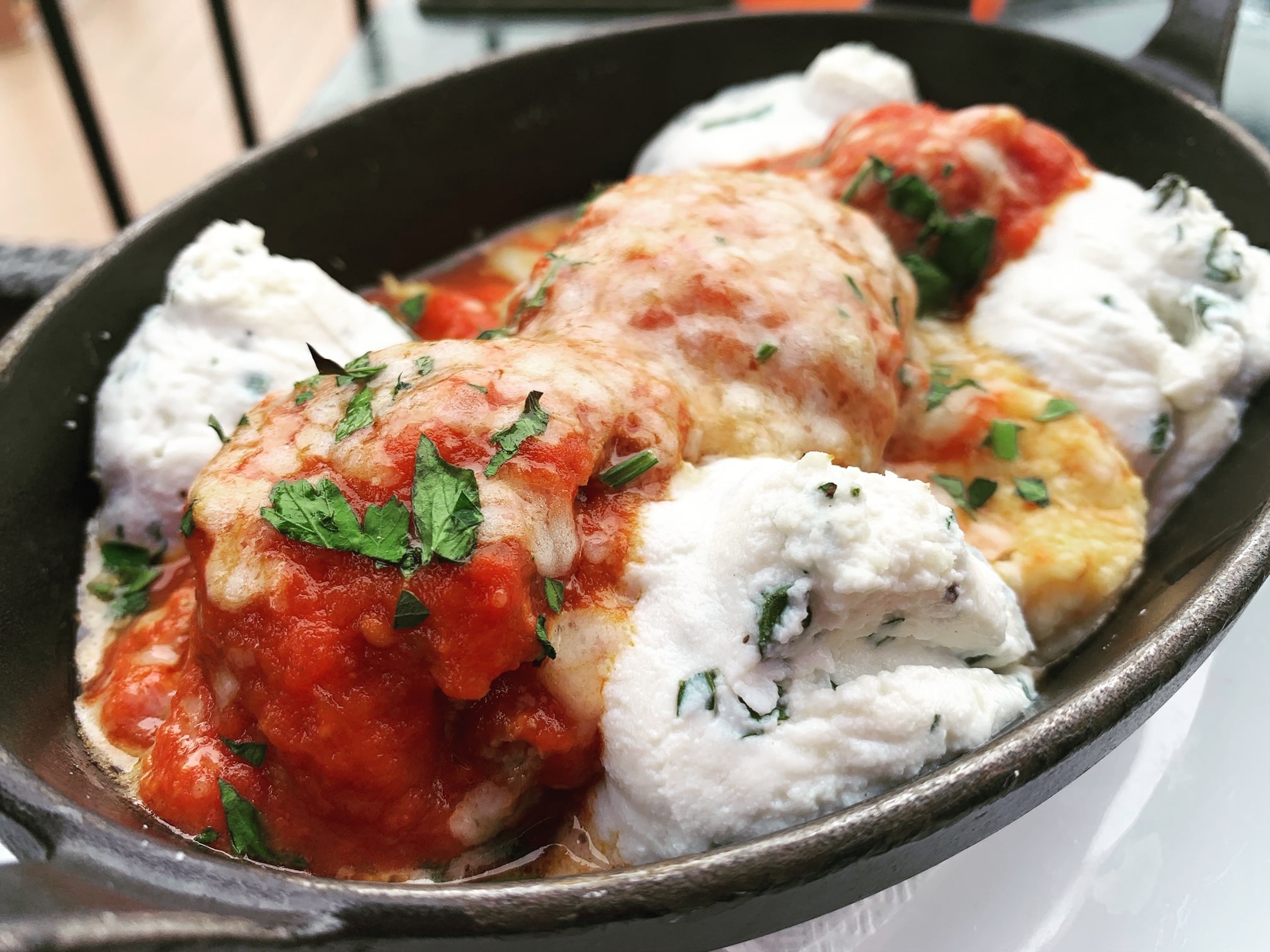
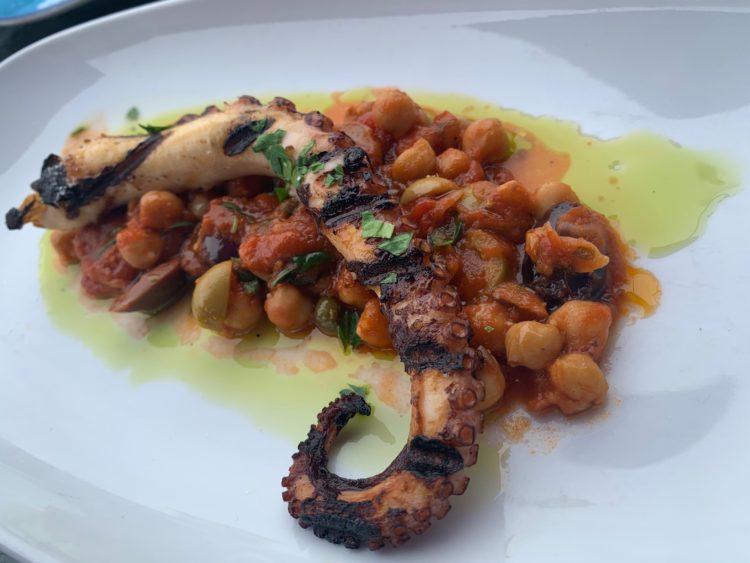
BurrataMeatballsOctopus
For our appetizers, we started with burrata mozzarella, short-rib meatballs and grilled octopus. We loved that the burrata was served with peaches instead of the typical tomatoes. The addition of peppery arugula, crunchy pistachios, and aged balsamic created a perfect summer starter. The meatballs, we need to talk about. Could these be the very best meatballs we’ve had at a restaurant? We believe so. They’re light and moist with big, beefy flavors from the short rib and smartly served over creamy polenta with some dollops of whipped ricotta—AMAZING. The octopus was tender and nicely grilled and served over a chickpea puttanesca, a great dish.
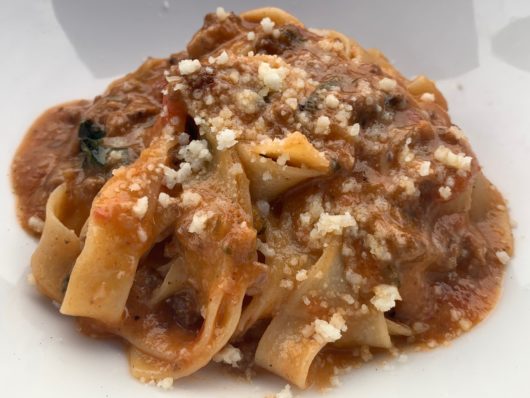
Bolognese
The restaurant’s charming manager, Alessandro Latini, graciously brought us a tasting portion of the fettuccini Bolognese and we’re thrilled he did as it was one of our favorite dishes. The delicate, hand-made fettuccine was cooked to a perfect al dente doneness and tossed in a flavorful meat sauce made of veal, beef and pork. I thought I made a pretty great Bolognese until I tasted Chef Corona’s version—back to the drawing board for me!
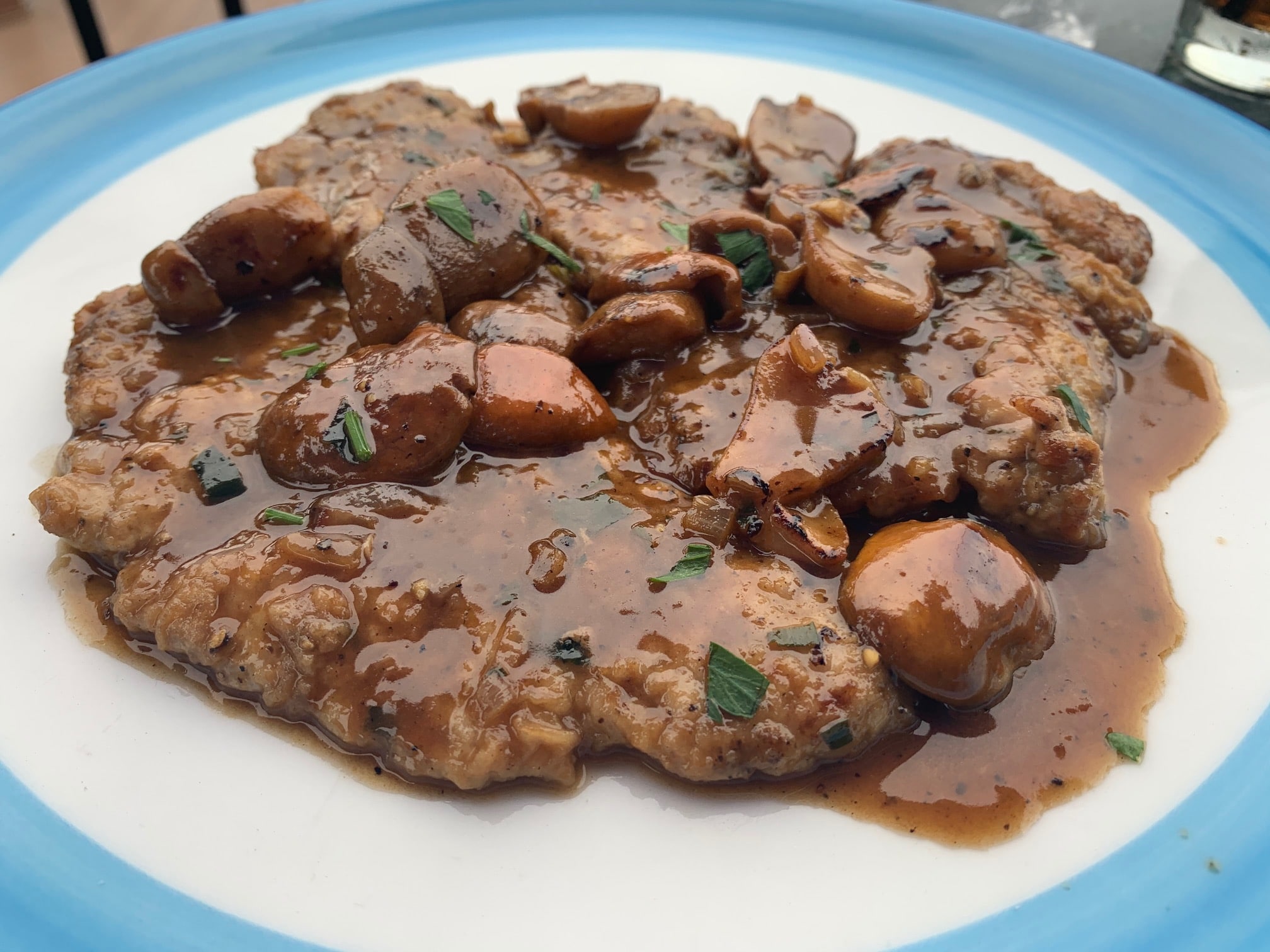
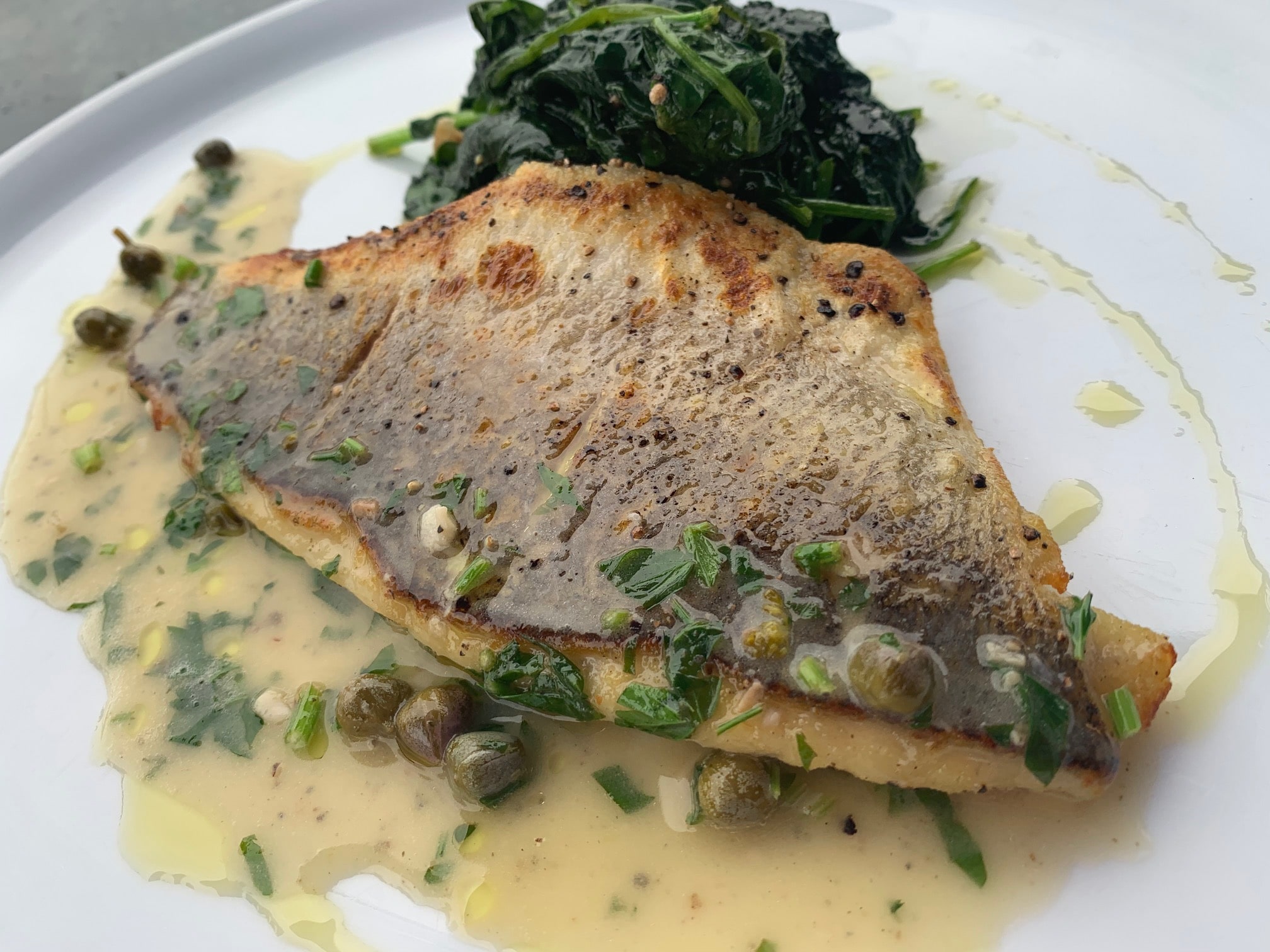
For our entrées we selected two of the daily specials: veal marsala and branzino piccata. The veal was fork-tender in a rich broth with intense mushroom and marsala flavors. The branzino was cooked to perfection with ultra-crispy skin and just-cooked flesh.
Veal marsalaBranzino
Dessert Time
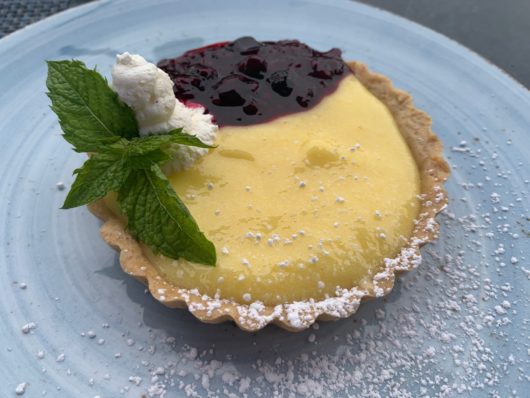
For dessert, while we “couldn’t possibly eat another bite,” we devoured the beautifully plated lemon tart with a blueberry compote. The tangy and sweet flavors were a perfect pairing and a wonderful way to end an outstanding meal.
Lemon tart
On a return visit, we’ll sample some other handmade pasta dishes as we were so impressed with the fettuccine. Perhaps the linguine and clams with garlic, Calabrian chili and Bottarga breadcrumbs as it sounds scrumptious.
Blu Grotto is currently open for dinner, weather permitting, with a maximum table size of eight guests. Reservations are highly recommended via phone at 732-751-7900 or via OpenTable. Guests are required to wear masks upon entering and when visiting restrooms.
Blu Grotto (blugrottonj.com)
200 Port Au Peck Avenue
Oceanport, NJ 07757
732-571-7900
In the beginning of the movie Fargo, a disclaimer flashed on the screen that read “This is a true story…” only it was not really a true story. The entire thing was a work of fiction by the Coen brothers, but those few seconds of faux information enhanced the viewers’ enjoyment.
For me, any restaurant that states that they have been in business for 50 years or more delivers that same psychological effect. I cannot help to think that if something has been in business for longer than I’ve been alive, it must be great. The problem is that is not always the case. I think we have all experienced an occasion when a once-great establishment rested on its laurels more than on the quality of its food. This is not one of those occasions.
A Look Back
The following is a throwback to the first time I visited Belmont Tavern, in 2018.
The Belmont was established in 1967 and is a classic red sauce joint with one M. Night Shyamalan twist; there is no red sauce. OK, I lied. Of course there is red sauce. Still, that’s not the reason you go to the Belmont Tavern. You go for Stretch’s Chicken Savoy. You go for the Shrimp Beeps. You go to feel part of a different era.
Upon Entering…
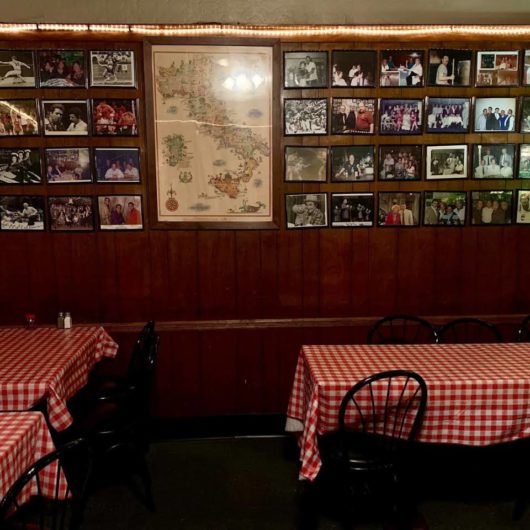
When you open the front door, be prepared to be smacked in the face with the pleasant aroma of roasted poultry and Acqua Di Gio—and just about every Italian American stereotype you could think of. Vertical, wood-panel walls are plastered with photos of the Rat Pack, Forza Azzurri, and practically every Jersey athlete or extra who ever appeared on the Sopranos. Frank Sinatra—or was it Dino—crooned from a well-used jukebox near the bar. I popped the top button of my dress shirt, channeled my inner Tony Manero and walked in like this wasn’t my first time.
The waitress was sassy and no nonsense; think Judge Jeanine Pirro mixed with a little Flo from Mel’s Diner. I thought maybe it was an act, but she was 100% authentic. I particularly enjoyed the way she shut down my friend when he started to ask for a specific glass of Cabernet. “No,” she stopped him, her palm out/index and pinky fingers pointing up, “we have a house red.” House red it was, a decent room-temperature Burgundy.
What’s for Dinner?
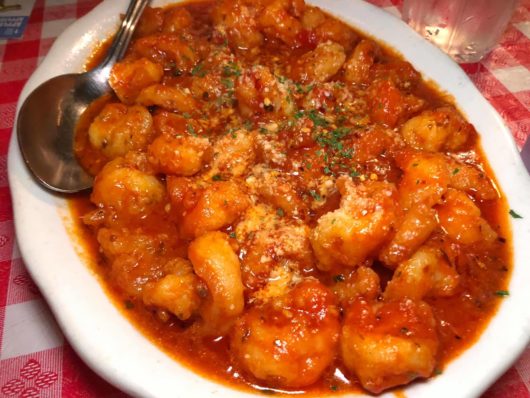
I already knew what to order. We started with the Shrimp Beeps: a lightly battered shrimp dish in a spicy, but not quite fra diavolo sauce, which was excellent. For the entrée we ordered the Chicken Savoy, chicken Murphy and ziti with pot cheese. Chicken Savoy is a legendary dish within a 15-mile radius of Belleville, NJ, and a true example of a micro-indigenous food. Stretch was the name of the chef that created the dish in 1967 and it consists of six breasts and thighs cooked with Italian herbs, garlic and cut with red wine vinegar.
Chicken Savoy
The recipe spread throughout the area and overtime started popping up on menus in neighboring towns, all slightly different but true to the vinegary essence. The Savoy lived up to the hype but the Murphy was excellent. The bone-in chicken was succulent, steamed beneath a heaping pile of herb-roasted potatoes, onions, and hot peppers that added a little moisture to my upper lip with each bite.
The Belmont does not do dessert, so after you enjoy an espresso and pay the bill, consider venturing down the road to grab a cannoli nightcap at Calandra’s Bakery in Newark.
It’s a Must-Do
The Belmont Tavern had been on my Jersey culinary bucket list for years. If you are a foodie and from the Garden State, it is a necessary rite of passage—no different than seeing Bruce or Bon Jovi. It was almost exactly what I expected. It was a little good, a little mediocre, and a lot great. I recommend anyone with an appreciation for old-school, classic Italian food—or anyone who enjoys food history—to give it a try. Be sure to bring cash—they’re cash only—and get there early as they don’t take reservations.
Editor’s Note: As of the publish date (August 2020), The Belmont Tavern is open for takeout from 4:00 to 7:45 p.m. The restaurant is closed on Tuesdays.
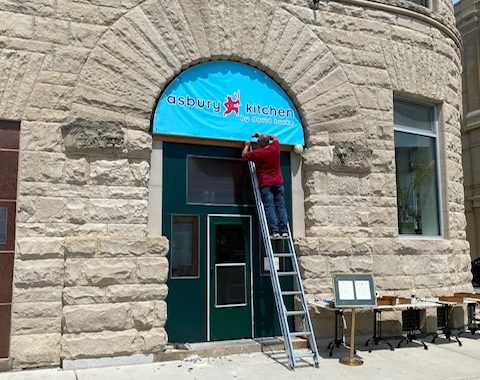
Chef David Burke brings his culinary mastery to Asbury Park with the recent opening of Asbury Kitchen. The restaurant has outdoor dining seven nights a week for dinner from 4 – 10 p.m., as well as a happy hour every day from 4-6 p.m. Brunch is served Friday, Saturday and Sunday from 11 a.m. – 4 p.m. Takeout is also available.
Fueled by passion, grit and a knack for artful innovation, Burke, one of the best known and most respected chefs in modern American cuisine, has been working on a project in Asbury Park, which has been delayed due to the pandemic.
Meanwhile, Burke has been rarin’ to go and wanted to get a foothold on Asbury’s exciting dining scene while the weather is still temperate and amenable to outdoor dining, which is currently the only type of dining allowed under state mandated Covid-19 restrictions.
Burke has created a Modern American menu with a bistro-style flare reflecting the restaurant’s classy but casual and fun-filled tone. Pivotal to the restaurant’s mood will be artisan cocktails crafted by Chris James, David Burke Hospitality Management’s corporate mixologist.
el Payaso, Tequila Blanco, passion fruit, lime, chili salt
Menu Items
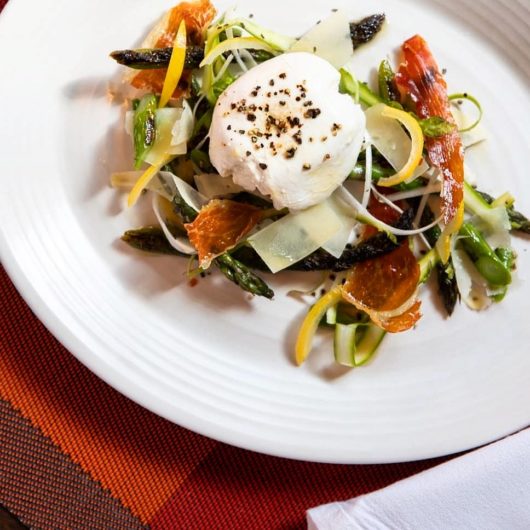
Some examples of dishes are: Starters – tuna tartare tacos with sesame ginger, avocado and shaved vegetable; oysters and snow crab, peach cucumber mignonette; watermelon and asparagus salad with burrata, prosciutto, olives; and his signature clothesline bacon under another name, “When Pigs Fly” black pepper and maple glazed bacon. Some of the main dishes include, soft-shell crab, open-face with avocado toast and heirloom tomato; Asbury Park clams “casino” chowder with scallops, bacon, clams, rustic bread. Main dishes will also include some hearty cuts of prime beef – butcher block cuts, 24-ounce Cowboy ribeye, hand-cut filet and Burke’s famous dry-aged burger. Desserts will include ice cream macaron sundae; coconut sorbet rum float, and Burke’s innovative signature cheesecake pops.
About David Burke
Burke, a New Jersey native and a leading pioneer in American cooking, is also recognized internationally for his revolutionary techniques, exceptional skills, successful restaurant empire and his many TV appearances. In the parlance of today’s celebrity driven culture, he is a rock star of the culinary world. At just 26, Burke’s kitchen mastery won him the executive chef position of New York City’s legendary River Cafe. While there, he became the first American ever to win the prestigious Meilleurs Ouvriers de France Diplome d’Honneur, cementing his reputation as a leading international chef.
He subsequently won Japan’s Nippon Award for Excellence, the Robert Mondavi Award of Excellence and two nominations for James Beard Best Chef. Burke was also awarded a coveted three-star New York Times review for the River Café and later became a familiar guest on TV’s Top Chef.
This was a big week for beer! Friday, August 7, was International Beer Day, and Thursday, August 6, was National IPA Day. Let’s take a look at that.
One could make the argument that IPA doesn’t need a national “day.” A quick look around at your favorite retailer will reveal a mind-boggling array of IPA descriptors. Black, white, hazy, West Coast, East Coast, New England, Belgian, English, American, Imperial, double, session, and even milkshake. We don’t need a National IPA Day. It should be at least a week—maybe even a month!
A Brief History of IPA
The oft-told tale that India Pale Ale, or IPA, was developed by British brewers who supplied beer to the East India company for the consumption of English expats during the British colonial rule in India is pretty accurate. English pale ales were all the rage in late the 18th and early 19th centuries and brewers of those beers discovered that the preservative qualities of a little extra hops and alcohol helped keep the beer fresh during the long voyage to India. By some accounts, the beer was meant to be watered down upon arrival but eventually folks just started drinking it “straight.” Somewhere around the 1830s the first print reference to “India Pale Ale” appeared. No one could have known then what a transformation IPA would undergo.
The popularity of IPA waned in the 20th century until the American craft beer movement was revived in the latter part of the century and the beginning of the 21st. Once American brewers got a hold of IPA, they immediately began to mess with it. New American hop varieties gave IPA a bright citrus quality and before long, brewers got into an escalating hop war. International Bitterness Units, or IBUs, became part of the craft beer lexicon as breweries tried to out-bitter each other.
The human taste bud isn’t sensitive enough to identify more than 80 IBUs but brewers still boasted of 90 or 100 IBUs for their IPAs—and they weren’t even shipping them across an ocean! Myriad innovations ensued until the development of more aromatic hop varieties ushered in a pendulum swing in the opposite direction. New England brewers started brewing softer IPAs that emphasized fragrance rather than bitterness. It just so happened that they used a low-flocculating yeast that left particles suspended in the beer. The New England IPA, sometimes called hazy IPA, was born. This continues to dominate the market.
What About Jersey IPA?
Well, the Garden State doesn’t exactly have its own IPA style. (Someone should start working on that.) What it does have is a wide selection of very good IPAs representing all of those descriptors we mentioned above. It would take a book to walk you through all of those styles, but here are a few popular ones to get you started.
New England IPA (NEIPA)
Hazy, and brimming with tropical flavors and aromas, New England IPAs belie their region of origin. Their decided lack of bitterness lies in stark contrast to the crusty stereotype of your typical New Englander. Maybe they help to mentally escape a New England winter if only in your mind. Jersey can get hit by old man winter, too. Here are a couple Garden State hazies:
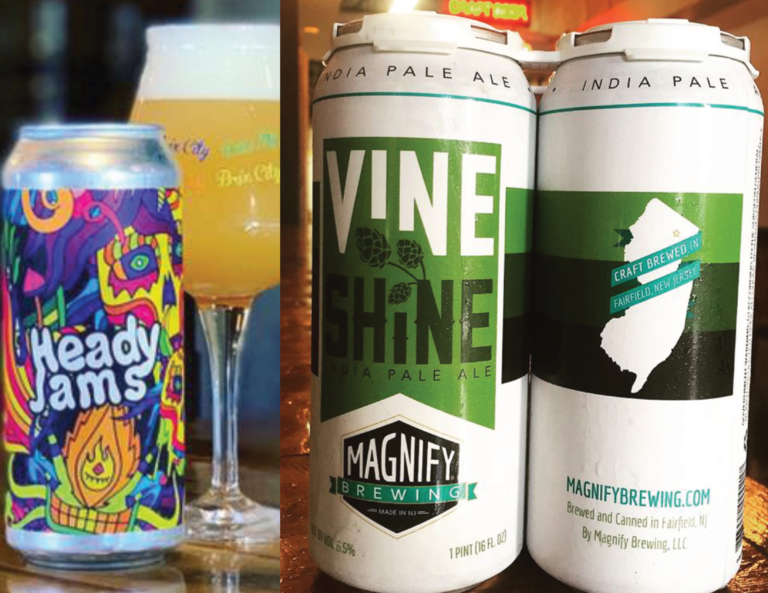
Magnify Brewing Vine Shine 6.5% (Fairfield): There’s no way to talk about IPA in New Jersey without mentioning Magnify. They cover all of the bases but their flagship is a great beer to dip your toes into the NEIPA water. It’s piney, dry, and very drinkable.
Brix City Heady Jams 8.0% (Little Ferry): Perhaps named in homage to one of the beers that started it all, Heady Topper, it packs a boozy fruit punch. At any given time you’ll find various of this beer at the brewery. Try them all.
Brix City Heady Jams (left), Magnify Vine Shine (right)
West Coast IPA
Going from the East Coast to the West Coast and from the yin to the yang, West Coast IPAs were part of the great IBU war. Bold and bitter westies are characterized by pine and lemon zest flavors—not the least bit juicy like their New England cousins. Some of the best ones carry just a hint of malt sweetness to at least give a nod to balance.
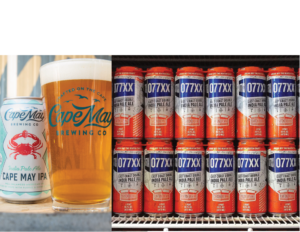
Cape May IPA 6.3% (Rio Grande): Classically bitter, featuring spicy lemon zest and floral notes, it’s a great example of the style. It’s available statewide so there’s no excuse: Give it a try.
Carton Brewing 077XX 7.8% (Atlantic Highlands): The assertive hop character leans toward orange rather than lemon and it also gives that nod to malt sweetness. It’s really a Jersey classic with a West Coast inspiration.
Cape May IPA (left), Carton 077XX (right)
Imperial IPA
These are the heavy hitters of the IPA world. Big, boozy with an ample wallop of hops and a sturdy malt base, they are not for the faint of heart. Imperial is borrowed from Russian Imperial Stout, which was a high-gravity stout exported to Russia in the 19th century (the style is still around—and popular). ABV ranges from 7% to 10% and up. They are also known as double IPAs, which is perhaps derived from the Belgian tradition in which a Dubbel, or double, is a beer with more alcohol—made with twice the ingredients (or thereabouts). Imperials are packed with flavor, but swim at your own risk, folks!
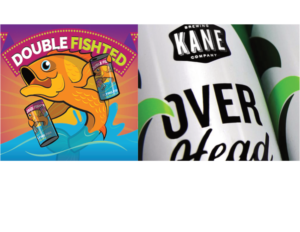
Kane Brewing Overhead 8.2% (Ocean Township): You can’t talk about IPA without mentioning Kane. Overhead is their Imperial version of the very popular Head High IPA. Brewed with pale malts, it’s light and dry with plenty of pine and citrus hop notes. It’s also very drinkable.
Flying Fish DoubleFishted 8.3% (Somerdale): One of New Jersey’s most venerable breweries, Flying Fish isn’t known as a hop forward brewery but with DoubleFishted they show they are up to the task. It’s a bit of hybrid. There are all the citrus characteristics of a classic double IPA but it carries a relatively low IBU count.
Flying Fish Double Fishted (left), Kane Overhead (right)
Many of the breweries I’ve mentioned have a fairly large distribution footprint so you may see them at your local retailer. There’s also a good chance that your local brewery has the best kind of IPA of all: fresh! Hop-forward beers, especially delicate New England styles, taste best fresh. Some might argue that certain IPAs benefit from aging but in these uncertain times, why wait?
From the NJ Restaurant & Hospitality Association (NJRHA):
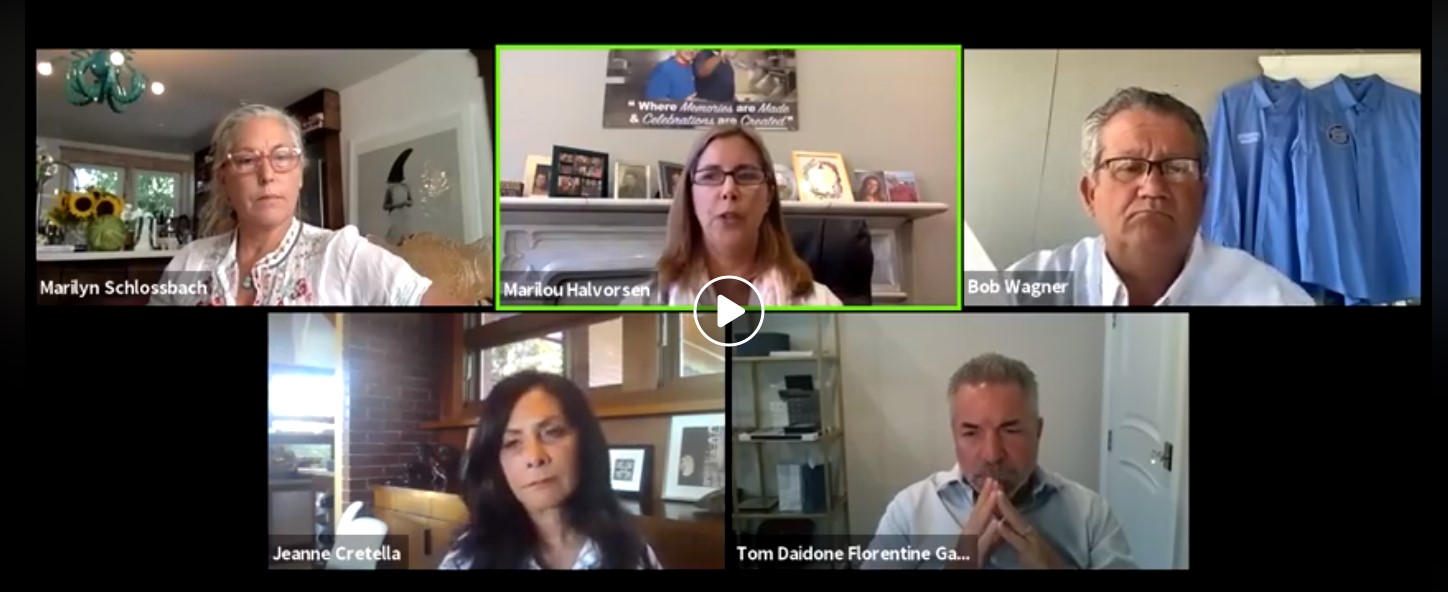
Representatives from New Jersey’s largest venue and restaurant owners, and the NJ Restaurant & Hospitality Association (NJRHA) spoke out today about how the COVID-19 pandemic is shattering the state’s largest private-sector employer. The group presented a new, safe dining plan with enhanced sanitation protocols, discussed the challenges of outdoor dining, fall predictions, and highlighted their industry’s economic and community impact, which will be presented through a 30-day #IServeJersey social media campaign.
Impact on the Industry
“Sadly, current estimates suggest 30 percent of restaurants that make up the culture and personality of our state will close,” said Marilou Halvorsen, president of NJRHA, “Hit even harder are our state’s largest wedding venues. Their complete closure has led to a ripple effect in the industry, where professionals like photographers, videographers, florists, and musicians, to name a few, are all out of work,” she added.
Late June, the governor indefinitely reversed the opening of indoor dining a few days before it was to happen. This surprising shift has resulted in heightened emotional and financial hardships for all, especially now that the midway point of summer has passed—this industry’s most robust time for partial economic recovery.
Meanwhile, the industry quickly responded and tightened their safe dining plans to include more enhanced sanitation efforts for less people with more social distancing, in hopes of cracking the door on reopening indoor dining and activities soon, to no avail.
Recently an uptick in COVID-19 cases, the highest since early June, has been attributed by the Governor as a result of indoor house parties and other unruly gatherings hosted by young people, where [mask-wearing] or social distancing were not [observed].
Current Outlook
“We have the ability to control where people sit, what they touch, and how they mingle, unlike indoor house parties or other unauthorized gatherings which seem to be on the rise as people hunger to socialize and celebrate,” said Halvorsen. “I’m confident we are not, nor will we become, the super spreaders of this virus, not with the knowledge and systems our industry has already put in place,” she added.
In every corner of New Jersey, the public health crisis has impacted some part of our vast food network. Restaurants, diners, bars and cafes have been shuttered, food banks are struggling to meet the demand of those in need, distribution channels are being reconfigured, and farmers are dealing with issues of social distancing while harvesting crops as the summer season unfolds.
A Hard-Hit Industry
For many Garden State residents and foodies near and far, the most noticeable restriction imposed during the pandemic has been the closure of favorite dining spots. However, as we move through the various stages of recovery and the reopening of businesses, restaurants are adapting. We’re seeing more and more outdoor seating under tents or, where possible, sidewalk bistro-style dining. Many restaurants also have implemented or expanded their takeout business.
In turn, patrons have slowly, cautiously embraced the format of this evolving food scene. Even with a bit of apprehension, customers and eatery owners alike are adjusting to the new normal.
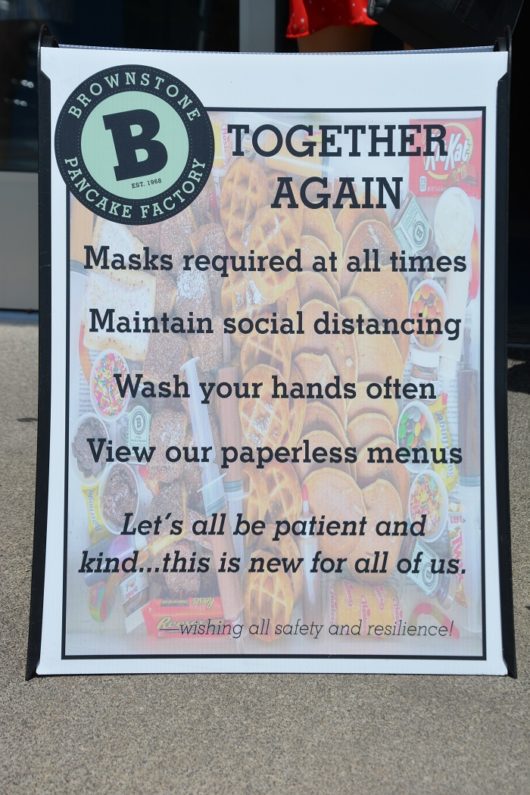
Getting back to business. It’s easy to follow the rules.
Factory Visit
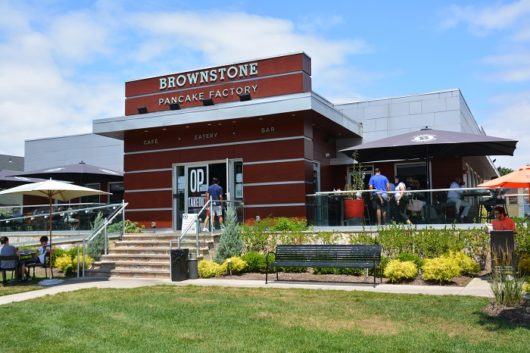
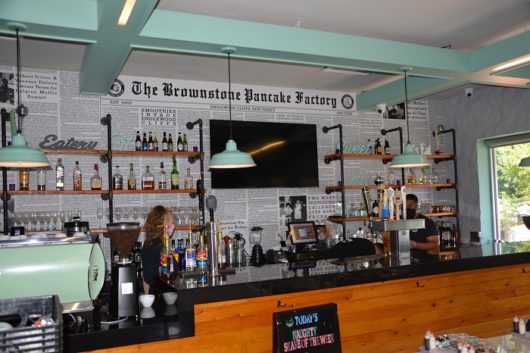
We recently visited the Brownstone Pancake Factory in Englewood Cliffs, which will celebrate its second anniversary in November. From a roadside view, it was clear that this establishment had spacious, outdoor terrace dining with socially distanced tables and large umbrellas.
A view from the road
The scene offered a most inviting sight. This reporter and his wife hadn’t been “out to eat” in nearly six months. It was an unscheduled stop—a spontaneous decision while on the road in Bergen County. The al fresco setting was most enjoyable.
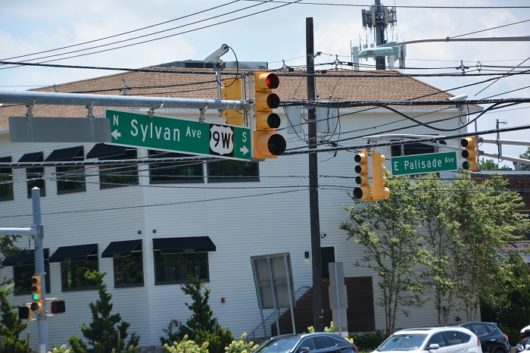
At the intersection
The Brownstone, located at the intersection of Sylvan Avenue (Route 9W) and East Palisade Avenue, calls itself a “pancake factory,” but it has many diner-esque features, including its heritage. The establishment has family ties to the Brownstone Diner in Jersey City, which was rebranded in 2019 as the Life Pancake Factory. In addition, another Brownstone Pancake Factory operates on River Road, in Edgewater. That one will mark its sixth anniversary in November.
A Warm Welcome
The cordial waitstaff provided a friendly first impression. Patrons and servers all shared a (masked) smile, as if to appreciate the moment after many months of social isolation. Considering the name of the place, we tuned into the extensive pancake offerings on the menu.
The list included buttermilk pancakes, turtle pancakes (chocolate chips and pecans), fried Oreo cheesecake pancakes, potato pancakes, coconut pancakes, Greek yogurt pancakes, buckwheat pancakes and salted caramel pretzel pancakes.
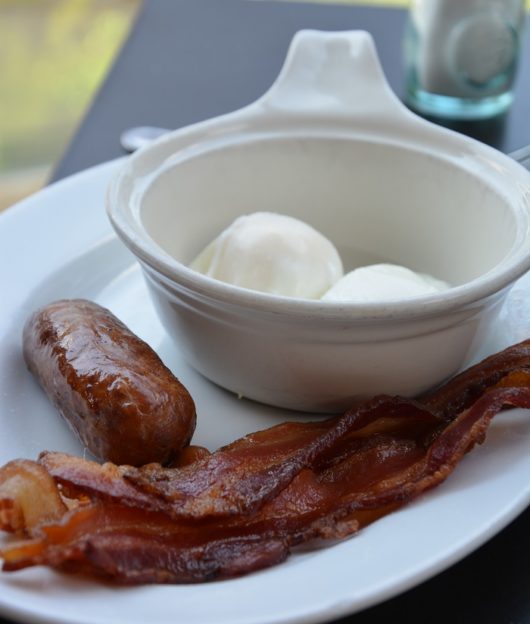
However, we decided to dig deeper and focused on the “breakfast ensembles,” which turned out to be most impressive. My wife ordered the breakfast combo—pancakes with two poached eggs, bacon and a pork sausage. Lovely.
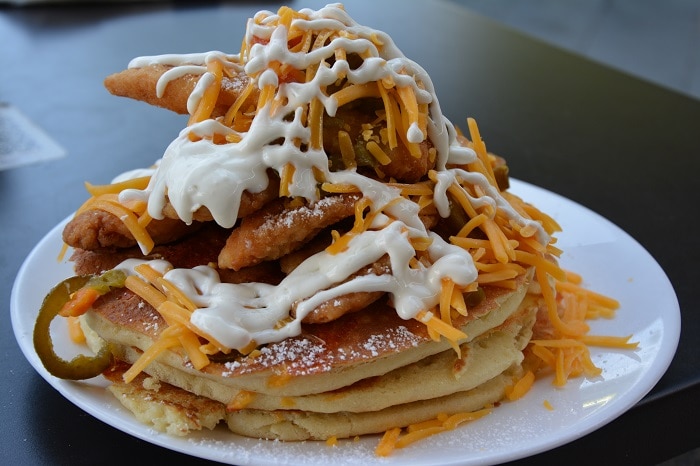
My choice was the Jersey chicken and cheddar pancakes: buttermilk pancakes baked with an infusion of bacon, cheddar cheese, jalapeño peppers, all topped with crispy chicken fritters and drizzled with sour cream. This dish was a work of art—an appetizer, main course, and dessert all rolled into one platter.
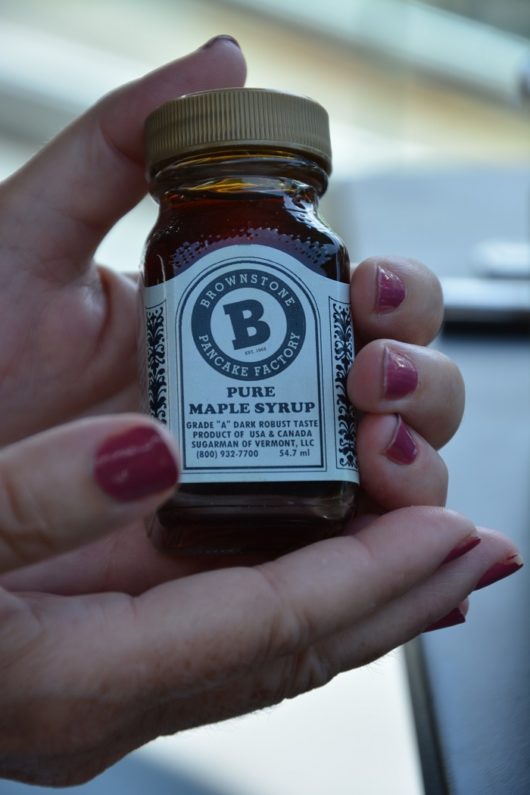
Eggs and sausageMaple syrup
Did we select an optional bottle of maple syrup to complement our pancakes? Why of course—in fact, we ordered two bottles. It’s OK splurge once in a while.
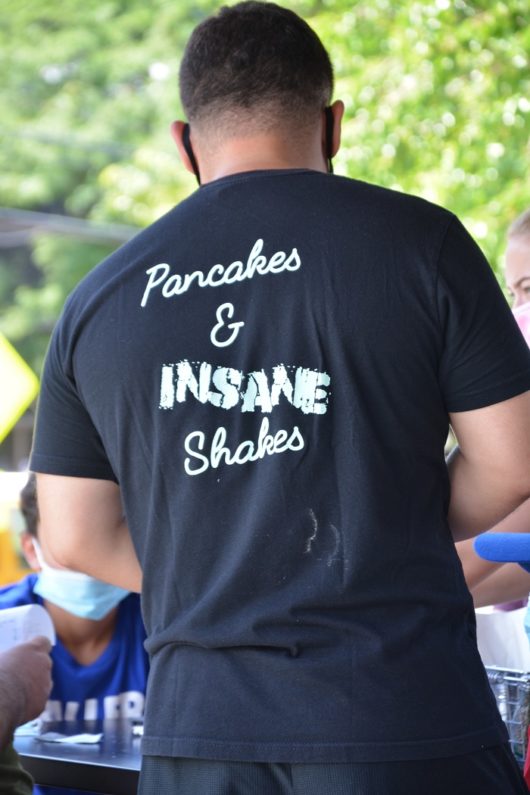
Throughout our late lunch we enjoyed several cups of coffee, all superb. The wait staff wore black T-shirts that promoted the consumption of “insane” milkshakes, but we simply didn’t have any room.
On the Menu
Also posted on the menu are “colossal” omelets (Mexican chorizo), eggs Benedict, breakfast sandwiches (featuring scrambled eggs with Taylor Ham/pork roll), pancake wraps (a California wrap with eggs, sausage, avocado, and baby spinach), and challah French toast (Nutella peanut butter with berries).
The balance of the menu includes quesadillas, Belgian waffles, appetizers, burgers, salads, sandwiches, paninis and pasta selections. And main courses for dinner include sizzling fajitas, grilled chicken, salmon teriyaki and Mediterranean pork chops. For the trendy, organic foodie crowd the Brownstone lists five Acai bowls.
Libations on the inside
While the Brownstone’s spacious interior dining area is closed to the public, a full bar is open and operating, with mixed drinks, beer on tap, and wine, along with a variety of fresh-squeezed fruit juices and soda quenchers.
Face masks, please
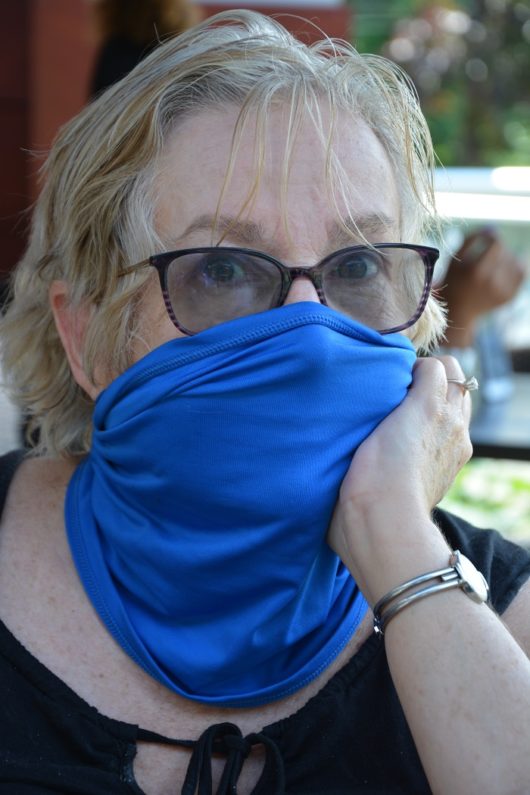
Aside from the food, the most satisfying aspect of the meal was the courtesy extended by staff and customers at the Brownstone in respecting health guidelines in order to maintain a safe, pleasant dining experience for everyone. People politely social distanced and wore masks. They were considerate and patient. This extra effort added up to the greater good for all on a sunny Wednesday afternoon at a pancake factory in Englewood Cliffs, during these days of Covid-19.
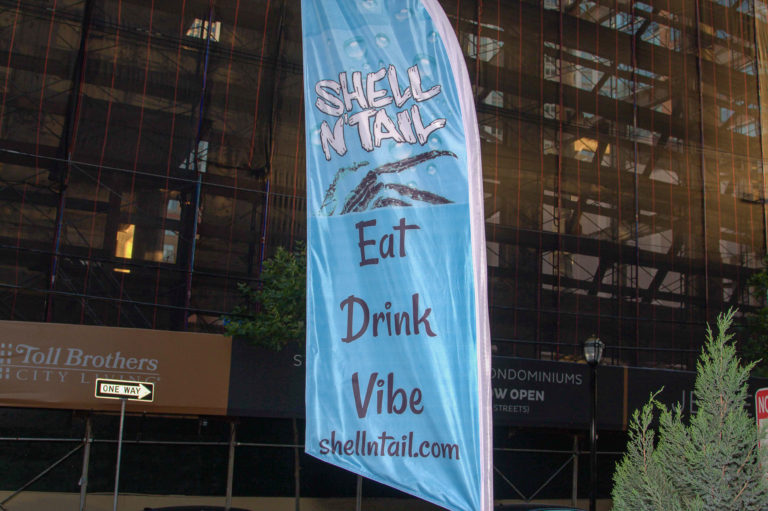
Jersey City gained a new seafood restaurant this month, as Chef Darryl Harmon and his partners quietly opened Shell N’ Tail, located at 150 Bay Street in Jersey City, on July 17.
Official Launch August 5
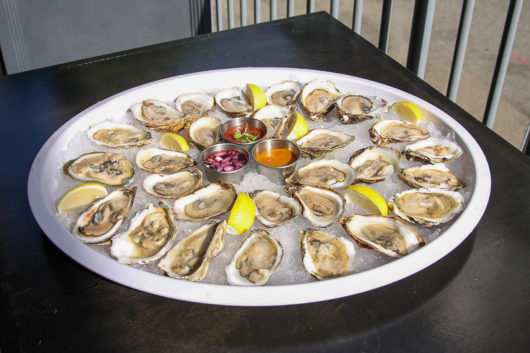
The upscale “farm and fishery to table” destination, which is serving fresh seafood, much of which is sourced from New Jersey, along with Jersey-raised produce, will host an official launch event on National Oyster Day on Wednesday, August 5, featuring pay-what-you-want oysters (limit 12 per person), with proceeds benefiting Black Lives Matter.
Jersey Influenced
The restaurant’s menu is a love letter to New Jersey, utilizing Jersey-grown products such as fresh corn, heirloom tomatoes, Stormy Bay oysters from Cape May, locally sourced scallops, and more on a menu which Harmon credits his mother and grandmother for influencing.
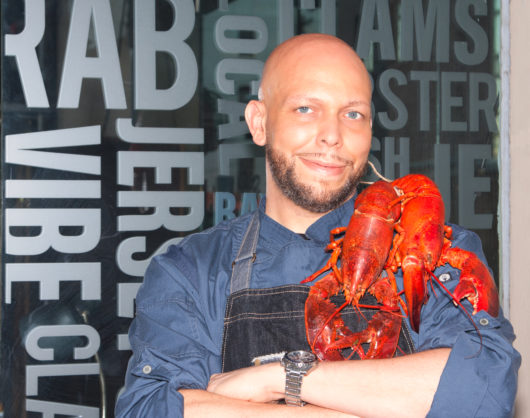
Chef Darryl Harmon
“My mother and grandmother were the biggest culinary influences in my life, as they not only taught me how to cook, but more importantly they taught me that sourcing the best products that traveled the least distance to my plate often tasted the best,” said Harmon. Shell N’ Tail has adopted that philosophy, and it has become the restaurant’s playbook.
“Our cuisine is going to focus on what is trending, and what is popular and local to this restaurant,” said Harmon, who hails from Gouldtown, NJ, in Cumberland County, which is considered the oldest black community in the country. “This concept is about taking my New Jersey roots and elevating them to creating the best food we can serve to our customers.”
“Of course we’re going to source fresh lobster from Maine and crab legs from the North Atlantic, as that’s where those delicious crustaceans come from, but we’re going to source as much as we can from New Jersey, and we’ll even get Blue Point Oysters from Long Island, because they’re delicious and local.”
“Shell N’ Tail is about celebrating the best tasting ingredients from New Jersey and beyond, and utilizing them to create incredible food that’s both delicious and comforting. And who doesn’t want something comforting and delicious right now?!”
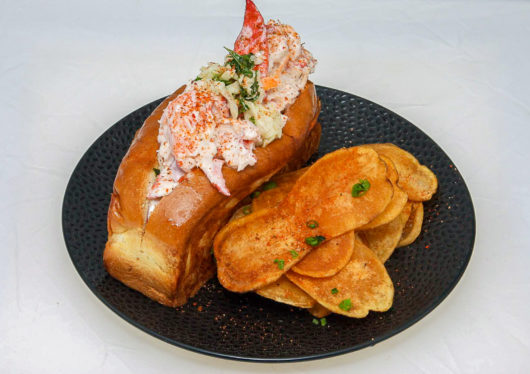
Southern lobster roll
The Shell N’ Tail Team
Harmon is joined by partners Howard Brunner, who is a Jersey City nightlife and restaurant veteran, as well as Brian Rosenbaum, a 30+ year executive in the event business and CEO of The Entertainment Company. Daniel Cummings, whose responsibilities include foraging and sourcing all ingredients, is chef de cuisine. “Daniel is one of the best in the business at finding delicious foods, and he’ll be sourcing everything he can find from New Jersey and nearby, from produce to proteins and everything in between,” said Harmon.
The Vibe
For now, the restaurant has 20 tables, with 50 seats, on an elevated outside patio beneath a massive awning, while only outdoor dining is permitted. Once COVID-19 restrictions are lifted, the interior will feature another 40 seats inside of a 1,500-square-foot dining room. The dining room includes a 15-seat centerpiece bar complete with a clawfoot bathtub for champagne, beer, wine and craft spirits display.
Manhattan cocktail veteran Chris Kearns, who was born in Peru, is the restaurant’s operations manager, while Mixologist Gianluca Cannarsa is bringing his expertise to the bar program with his comprehensive collection of locally distilled spirits, craft beers and “seafood-friendly wines.”
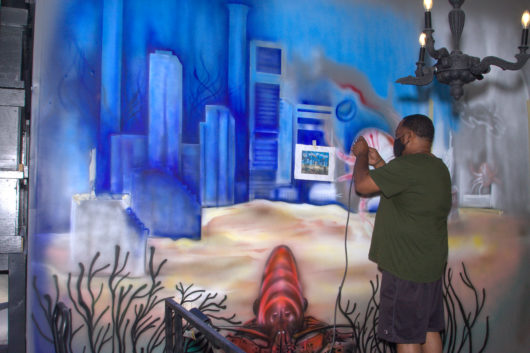
The interior will also feature whimsical murals by Marcus Gould, a local artist and muralist whose work can be found by visiting marcmoneyart.com.
Local artist Marcus Gould paints a mural at Shell n Tail
“I think we’ve put together a pretty incredible team,” said Rosenbaum. “Darryl’s background and his talent in the kitchen will really elevate this restaurant as one of the best seafood destinations in New Jersey, and when you combine his menu with what Daniel is able to do with sourcing fresh, flavorful ingredients, I’m certain that we have a recipe for success.”
The Menu
The menu includes starters including Stormy Bay oysters, chilled wild-caught shrimp; steamed middle-neck clams; and jalapeno-cheddar cornbread; sandwiches including a surf-and-turf cheesesteak, featuring certified Angus beef rib-eye steak and Maine lobster; a southern lobster roll; and a crab cake candwich. Main courses include Bay Street boil bags with options including snow crab legs; Dungeness crab legs; and whole lobster. Sides include lobster shells n’ cheese; marble potato salad; and Buffalo Street corn, among others. In August restaurant will launch a hard-shell crab night on Tuesdays, as well as “buck-a-shuck” Wednesdays.
Harmon, whose own spice blend will be available for sale, said that the menu will also feature dishes that honor his family’s roots in Gouldtown, NJ.
“Gouldtown is such a significant part of the Garden State’s history,” said Harmon. “My ancestors were from there, I spent lots of time there, and there’s a clear connection between my roots, where and who I am now, and the food I cook. In Gouldtown, we used to split our hot dogs and fry them and add chili and coleslaw. Comfort food was always big there, especially chicken and dumplings, which I will introduce when the weather gets colder this fall.”
Harmon confits his chicken instead of baking it like his grandmother used to do, but rolls out dumplings and cuts them into squares just like she did. “I really love seafood, but I’m so excited to feature these types of dishes on the menu, as I feel it’s important to represent where I came from—a place I am very proud of, and a place extremely important to not only my family’s history, but African-Americans all over this country.”
Shell N’ Tail is open seven days a week for lunch and dinner, with weekend brunch launching in August. Reservations can be made by calling 201-724-4059 or by visiting the restaurant’s website. Learn more by visiting shellntail.com.
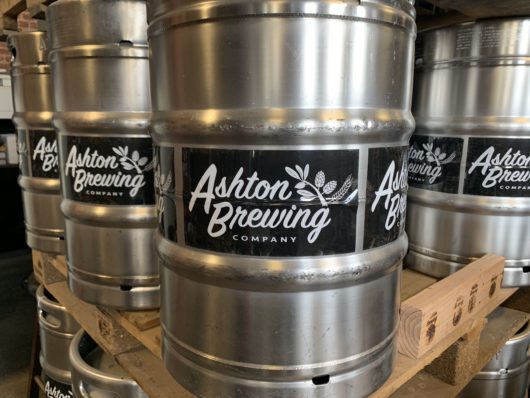
The military has an old axiom that no plan survives the first contact with the enemy. Ashton Brewing understands that all too well, especially when the enemy is a pandemic. Few plans go as sideways as theirs did. In fact, the plan went completely backward.
Beer: A Social Lubricant
Steve and Donna Ashton literally met over beers. In the early 90s, Colorado was an epicenter of the blossoming microbrewery scene. A Denver brewpub turned out to be the perfect setting for the beer-loving couple’s first encounter. Home brewing and beer judging fueled a romance that eventually migrated to New Jersey—and the birth of Ashton Brewing. When Steve’s finance job took them to the Garden State and he decided to take an early retirement it was pretty obvious what the next chapter in their lives would be.
Ashton Brewing occupies the old home of the now-shuttered Demented Brewing in Middlesex. Taking over another brewery’s space does smooth out the regulatory process of opening, but it was still far from a turnkey situation. The couple replaced the brewery’s floor and sold off the 30 BBL system, which was too big for what they wanted to do.
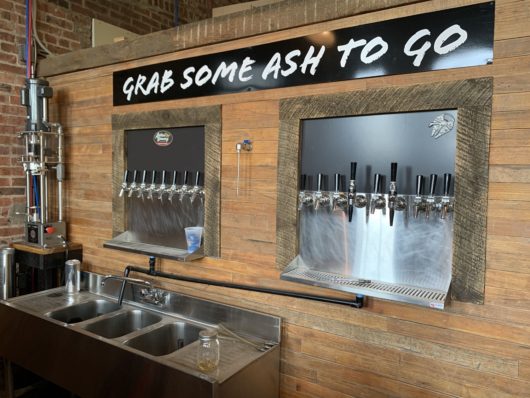
Looking for a warmer atmosphere, they took down a false wall that had a rather unfriendly looking image painted on it, and instead created a “to go” window. That seemingly small decision would have a big impact as opening day approached. So would the decision to install a smaller brewing system to make room for a canning line, which they intended to use in the future, as the brewery became established.
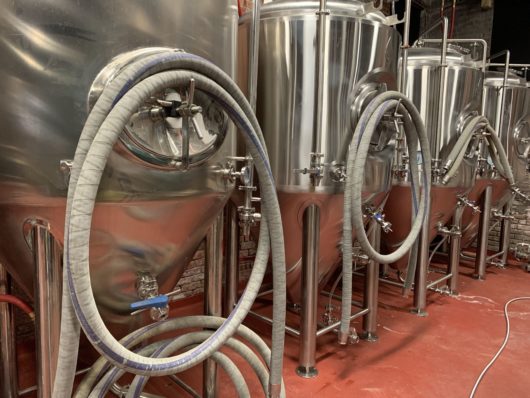
Ashton Brewing’s brewing system
Chaos in March
With fermenters filled with beer, opening day was set for March 27, but the tap room didn’t see a single customer. The state of New Jersey had shut down and in the midst of a global health crisis there would be no on-premises sales. Before they even opened, Steve and Donna had to rethink their entire business plan—on the fly.
First, they had to pivot to an online sales model. That’s when the to-go window they created proved incredibly valuable. Ashton could sell crowlers (32- and 25-oz cans, filled one at a time) for pickup at the window. When home delivery was approved, they had to figure that out as well. Because crowler cans were in total demand, it was only a matter of time until they became scarce.
Ashton Brewing’s “To Go” Station
Zoom to the Rescue
Remember that canning line they planned on implementing “in the future”? Well, the future was now. There was just one problem. It wasn’t installed yet and, given the pandemic, the company they purchased it from could not send staff to the site to complete the installation. They could, however, do a Zoom call. Having no other option, the Ashtons built their canning line while being coached along in a Zoom call. “We lost about 20% (of the beer) on the first run, but the second run was much better,” Steve told me.
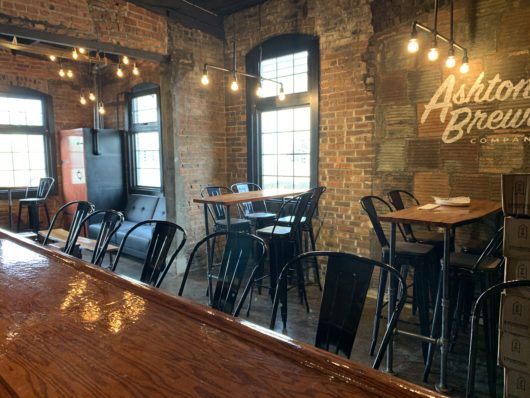
When outdoor seating was approved, they came up with a reservation system and needed to train staff. the transition was a lot, but they could finally serve beer for on-premises consumption. Then they put the finishing touches on their tap room—just in time for New Jersey’s indoor seating plan to go back on hold. It’s a good thing Ashton is flexible!
Ashton Brewing’s renovated tap room
Get Some Beer—and Learn a Thing or Two
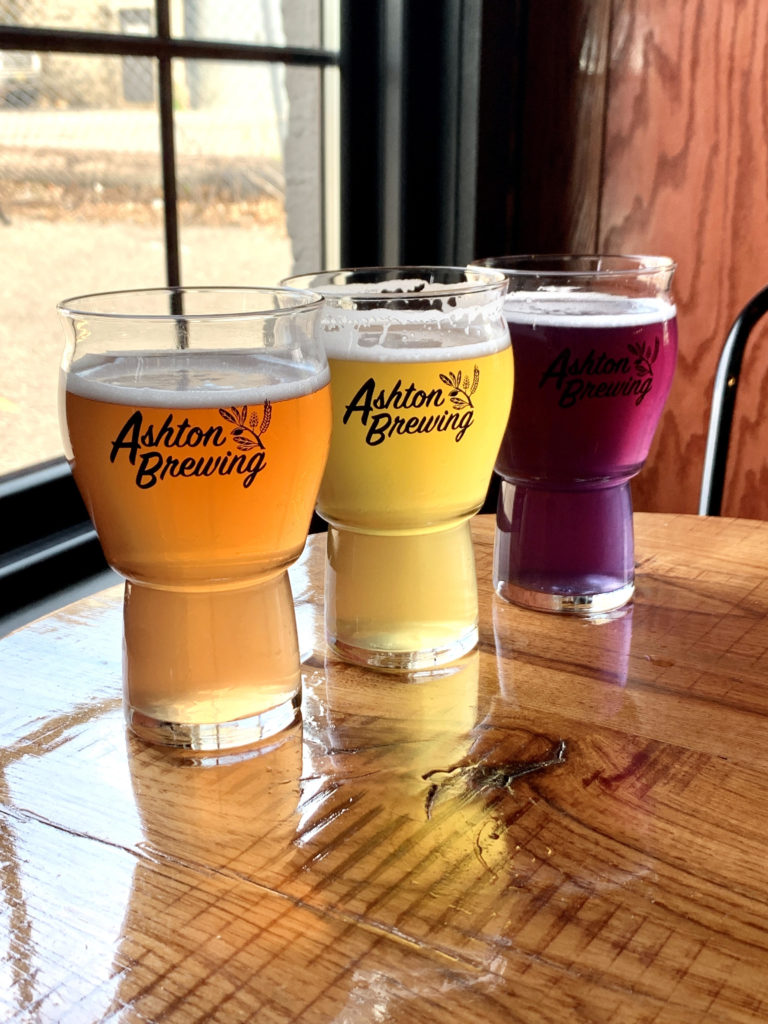
Steve Ashton summed up his approach to beer in two words: “Balanced and drinkable.” Of their 12 taps, there are usually about eight dedicated to beers that are 6% ABV and lower. The remaining four are for higher gravity brews like their double IPA and Belgian Tripel. The usual lineup also includes American stout, saisons, IPAs, a Wit, and a couple of lagers.
While some breweries find offering the obligatory tour to be a nuisance, the Ashton team likes giving tours. Now that guests are allowed, you can expect to have a chat with Steve during your stay. Both he and Donna are certified beer judges, so education is key at Ashton Brewing. It’s a great place for beer newbies or for those who want to get their beer geek on.
As Ashton’s backward business plan demonstrates, we are living in a very, ahem, fluid time. Check their website to see what’s available, operating hours, delivery and online purchase instructions, as well as how to reserve a table outside.
Whether it’s a pint outside or a six-pack to go, consider the pluck it took to establish a brewery that can’t be beat—and that brought great beer back to Middlesex.
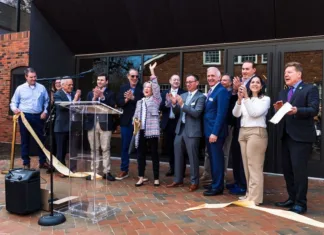
Monday marked more than a ribbon-cutting; it felt like opening night.
With a sense of anticipation usually reserved for a red carpet premiere, Paper Mill...