 My husband is Irish. One of those Irish guys that thinks his sunburn is a tan and has more cousins than I can count who are all named Sean, John, or some version of Mary Katherine. As the dutiful Polish wife of an Irishman, I prepare a traditional Corned Beef and Cabbage dinner every St. Patrick’s Day. As an accompaniment to the meal, I also bake a couple big loaves of what I thought was Irish Soda Bread.
I decided to research the history of Irish soda bread for a few bits of trivia to amaze and astound my family with during our dinner conversation. One of the first facts I uncovered is that I have actually been making Spotted Dog for the last 20 years. Traditional Irish soda bread contains only flour, baking soda, salt, and soured milk/buttermilk. Add raisins and it is Spotted Dog. Soda bread was introduced to Ireland in 1840. Bicarbonate of soda (baking soda) was used along with soft wheat flour to make soda bread. The bread is baked in a round loaf with a cross-marked on top. The cross is not a religious symbol, but rather a practical way to divide the bread into quarters.
I enjoy eating corned beef and cabbage about as often as I see a leprechaun. On the other hand, Spotted Dog slathered with an inordinate amount of butter makes me swoon. Delight your family with this traditional Irish bread on St. Patrick’s Day this year.
Spotted Dog
makes 2 large loaves
4 cups all-purpose flour
2 cups white whole-wheat flour
1 and 1/2 tablespoons baking powder
1 and 1/2 teaspoons baking soda
1 and 1/2 teaspoons salt
1 and 1/2 cups raisins, soaked in warm water and drained
3 cups buttermilk
Preheat oven to 350 degrees. Grease a large baking sheet and set aside.
Combine flours, baking powder, baking soda, salt, and raisins in a large bowl. Add the buttermilk and stir to combine. Turn dough out onto work surface and knead for about 2 – 3 minutes. Divide the dough in 2 pieces and shape into round loaves. Place on prepared baking sheet and cut an X in the top of each loaf.
Bake for 45 to 50 minutes or until the loaves are nicely browned and the internal temperature is about 200 degrees.
Note – Spotted Dog freezes well. Cool loaf completely and wrap in plastic wrap and then store in a resealable bag in the freezer for up to a month. When ready to serve, remove from the freezer and thaw at room temperature overnight.
 Amy Casey has had a lifelong love of food. It began at an early age with many hours watching Julia Child on The French Chef and learning to cook from the many fabulous cooks in her family. Her love of food lead her to become a personal chef, and she is the chef/owner of EAT! A Personal Chef Service in northern New Jersey, and also a member of the United States Personal Chef Association. Always wanting to share her love of food, she chronicles her collection of recipes in the blog Dinners for a Year and Beyond.

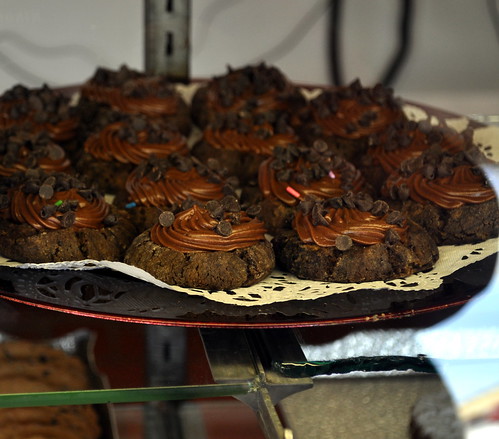
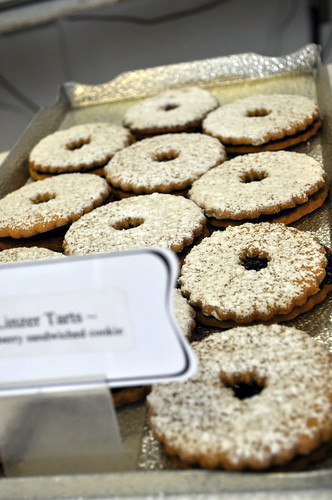 such as chocolate chip cookies, layered cakes, varieties of doughnuts, as well as, Dutch delicacies that are truly authentic and delicious, such as Krakelingen, sugared twisty cookies, and Almond filled cookies, Gevulde Koeken.
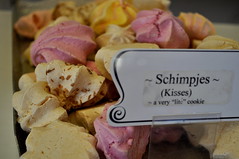
 Another top seller is Schimpjes, an airy meringue type cookie shaped like small kisses.
  The Holland American Bakery is a third generation bakery that has been family run since the Valkema family came to American from Holland and they have been turning out Dutch specialties and American desserts ever since. They have continually added more features to their bakery, from Delft collectibles to novelty items such as Dutch cook books, and varieties of Dutch hard candies and licorice, cheeses, and other novelty items, including wooden shoes!
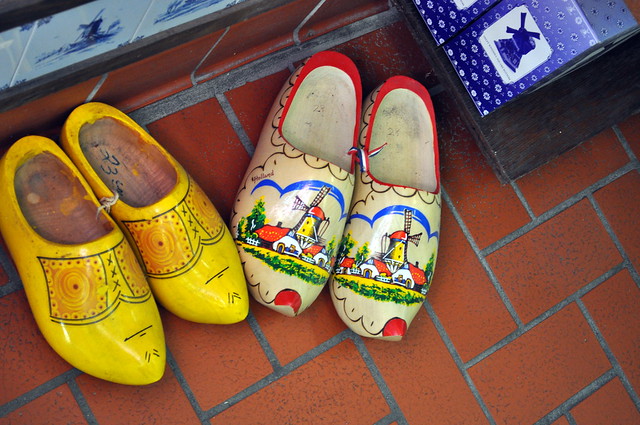 They now even offer an online-store featuring much of their sweets and collectibles via their website,
 Pickles, jam and tea are not the top items one looks for when heading out to a chocolate expo, but these delicious delights turned out to be the highlights of my day at the
  Jacky’s Jams and Jellies
 My third favorite booth was
  South River’s


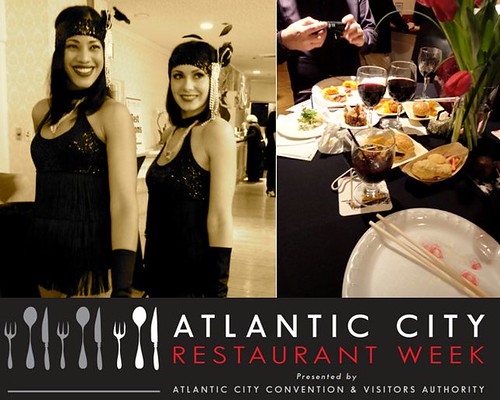
 The night’s dark horse proved to be Showboat Casino’s dessert display. Assembled as mini fast-food items, the burgers and fries, chicken and biscuits, and tiny tacos were sweetly disguised cakes, fruit, and other confections. Chef Deborah Pellegrino’s small touches from the sweet, tart candied orange peel and salted, honey brushed buns to the fragrant, curry-dusted pound cake “fries” were unexpected highlights in what is often thrown together as an obligatory course by participants of restaurant weeks.


 When one thinks of Jersey food-what comes to mind? Tomatoes, corn, diners? How about cupcakes? Now Jersey can claim cupcake pride, with Princeton’s House of Cupcakes taking the cake on Food Network’s “Cupcake Wars” show.