The following was released by our friends at the New Jersey Department of Agriculture.
It is a well-known fact that fresh fruits and vegetables are healthy for us, and if they are grown near where we live, they are even better. It makes sense, then, to serve fresh, New Jersey produce to school children in their school meals programs. That is the basis of the farm-to-school movement and to celebrate this connection between New Jersey schools and farmers, the New Jersey Department of Agriculture celebrates Jersey Fresh Farm to School week each year the last week of September.
This year, New Jersey Secretary of Agriculture Douglas H. Fisher kicked off Farm to School Week on September 22 with a visit to Philips Academy Charter School, in Newark, to highlight the school’s efforts to incorporate local produce into school meals program and educate students about where their food comes from.
“Each year, excitement about the farm to school program has grown around the state with more schools serving New Jersey produce and growing it themselves in school gardens,” said Secretary Fisher. “Students are benefiting greatly from eating more healthy, local fruits and vegetables and learning about agriculture.”
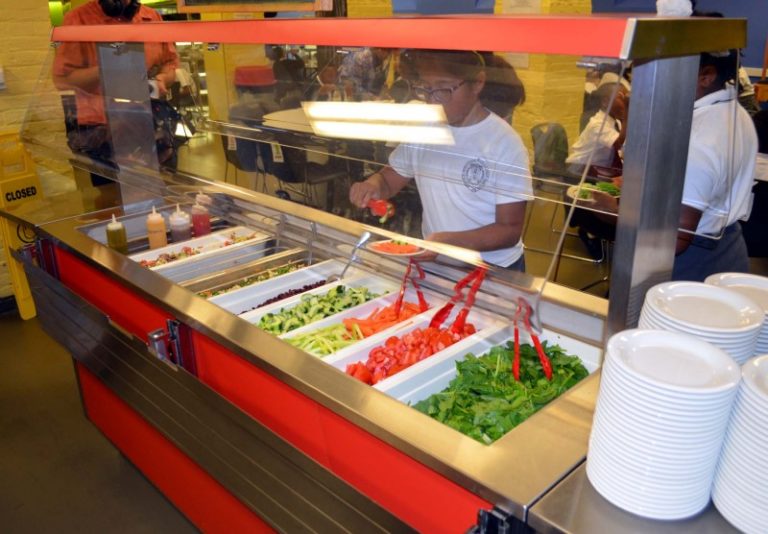
Philips Academy converted from an independent school in 2013 and has 370 K-8 students from Newark, East Orange and Irvington. The school has a 4,600-square-foot rooftop garden, started in 2009, that is currently growing leafy greens and herbs as well as some remaining summer harvests. Lunch is served family style and features made-from-scratch dishes using seasonal, local produce (pictured above).
The Academy hosts a unique, co-curricular program known as EcoSPACES, which is committed to providing students with the tools to lead healthy and environmentally productive lives through an interactive approach to learning. Frank Mentesana, EcoSPACES director, said the program empowers children and their families with the education needed to be able to make good decisions to lead healthier lives.
“At Philip’s Academy Charter School, we believe farm to school is important because it provides support systems that assist us as educators in instilling in our students the core values of our EcoSPACES Program,” said Mentesana. “Our focus on food literacy is taught through our various learning environments to enable students to understand where food comes from, the importance of seasonal, local and whole foods, in addition to wellness. Farm to School is a great resource for these initiatives.”
During the visit, Secretary Fisher was able to visit the school’s rooftop garden and the cafeteria to see the school lunch service.

On September 24, NJDA Division of Food and Nutrition Director Rose Tricario visited Nathan Hale School in Carteret, which serves 500 students grades pre-K to 5th and is one of 151 schools in the state to receive the New Jersey Department of Agriculture’s Fresh Fruit and Vegetable Program this year. Through this program, the school receives a grant which provide students with fresh fruits and vegetables as a snack during the school day.
School Principal Christian Zimmer said the school community is thankful to have been selected to receive the generous and needed grant for the Fresh Fruit and Vegetable Program.
“Nutrition is a very important part of our educational process and we are thrilled to have this opportunity,” said Zimmer. “It is vital to support our local farms and we work with Maschios, our food service management company, to deliver the best fresh fruits and vegetables for our students.”
During the visit, Tricario visited Jessica McGrath’s first-grade classroom to observe the fresh fruit and vegetable program in action. Peaches from Larchmont Farms in Deerfield were served. As part of the visit, the students were able to ask Tricario a few questions about her job and school lunches. They talked about their favorite fruits and some students even saved their peach seeds in hopes that they would be able to plant a tree at home.

To wrap up Farm to School Week on September 25, Tricario celebrated outstanding school gardens at Dorothy L. Bullock School in Glassboro and Timber Creek Regional High School in Gloucester Township.
Bullock School’s garden was built in May 2015 with the help of Ahmed Hassan, a California-based contractor who hosted the HGTV show “Yard Crashers” and DIY Network’s “Turf War.” Supplies and labor were donated by Elite Landscaping of Berlin. An army of volunteers pitched in over the course of a weekend to install the garden.
Since then, garden coordinator Sonya Harris, a first-grade special education teacher at the school, said the garden has thrived with the help of the staff, students, parents and community.
“The community members love it and parents love coming with their children, who enjoy giving their parents tours of the garden,” said Harris. “We are currently planning for fall planting of lettuce, broccoli, and collard greens and are creating a project-based STEAM Lab/Garden Observation Classroom to teach the students science, technology, engineering, arts, and mathematics through garden education.”
Harris said currently, the school has Wellness Wednesdays where a Food Corps representative prepares a healthy dish with the students. This month, children made salsa using tomatoes harvested from the garden.
At Timber Creek Regional High School, Tricario toured the school garden and watched student members of the Green Team, a club charged with the task of reducing the school’s carbon footprint, plant soybeans and harvest eggplant, tomatoes, peppers and herbs for the culinary class, who prepared tomato bruschetta and eggplant parmesan for the guests to sample.
“The food from the garden has been used for various purposes around the school,” said Charles Renner, AP environmental teacher and Green Team advisor. “The cafeteria staff has used some of the vegetables on the salad bar. Our Multiple Disabilities program has used the veggies to teach the kids about proper cutting techniques, nutrition and culinary skill, as has our culinary classes. I use the garden in my classes to teach nutrition, crop rotation, watering techniques, soil types, composting, testing for nutrient levels and other lessons.”
In addition, the Department of Agriculture launched a new Jersey Fresh Farm to School website, which has resources for schools on how to start a farm-to-school program, where to source New Jersey produce and how to plant a school garden. For farmers, the website provides information on how they can sell their produce to schools and gives them farm-to-school marketing materials.
The website has a listing of farm-to-school events and news and has helpful links for students and parents. Also, each month a “Top Tomato” will be highlighted, a person who has made a difference in Farm to School. In addition, the website links to the newly-created Jersey Fresh Farm to School Facebook, Twitter, Instagram and Pinterest pages.
“Successful farm-to-school programs need the support of school administrators, teachers, parents and the community,” said Fisher. “We congratulate all the schools and farmers across the state that are currently involved and encourage those not yet involved to visit our new website or call the Department for assistance.”


 Lesbirel’s passion for freshness and seasonal flavors was on full display when he sent out the beet tartare appetizer as we began our meal on a warm fall evening. Looking for a way to fool the carnivores at your table, this dish exemplifies what Ama Ristorante is trying to achieve, inspiring dishes that break the mold using flavors reminiscent of the season. At least that’s what I got out of it as I took a bite of the cool, earthy beet tartare (yes, it was cold, just like beef tartare), which was highlighted with tangy orange infused crème fraiche and nutty pistachio dust. I would never have put those four things together, but man, oh man… it worked! General Manager Ryan Liepa explained that the beet tartare is the complete opposite of how root vegetables are normally presented (warm). It’s really a fun play and the perfect unexpected fall dish.
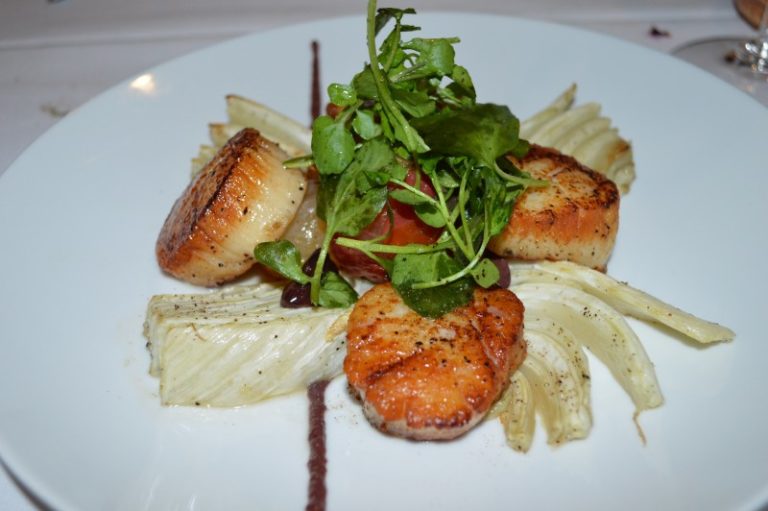
 For our entrees, we decided, with the urging of our server, Elizabeth (if she’s your server when you go, be sure to ask her about the red bracelet she wears), on the seared scallops with roasted fennel and olive tapenade, and the fettuccine featuring squash blossoms, thinly sliced zucchini, and shaved black truffles. That’s where my scallop daydream began. Four plump day boat scallops, perfectly seasoned and seared. The pasta dish was tasty as well in a light olive oil sauce.
 We ended our meal with a house-made strawberry balsamic glaze that accompanied a honey ricotta cake. To get the incredibly thick, almost gelatinous texture of the cake, Lesbirel cooks the cake, and then rewhips it, letting it set more than once. It will stick to your mouth and your ribs, but it’s worth every bite. We paired the ricotta cake with the traditional Tiramisu featuring Kahlua and espresso soaked ladyfingers, which comes in a fair and tasty second on the dessert rankings.


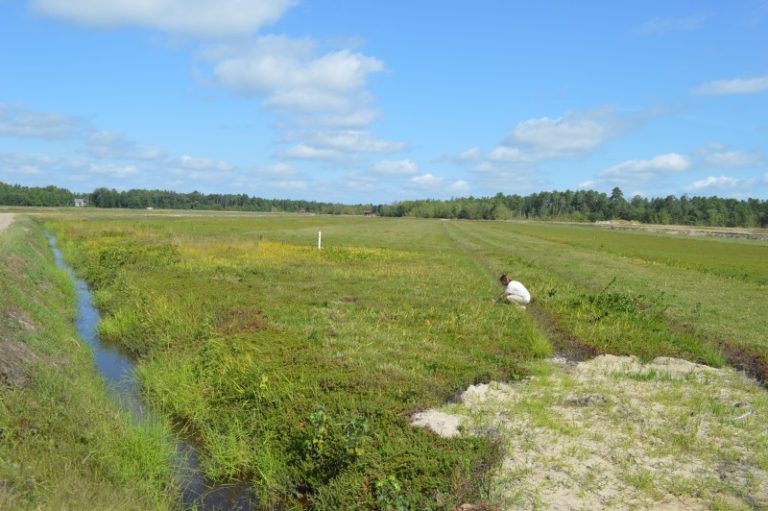

 Taking a tour of the grounds with Conner in their state-of-the-art tour bus was the highlight of my trip. Conner shares family history about the origins of the cranberry bogs and the town of Whitesbog, which was founded in the 1700s (but is now a part of the Brendan Byrne State Forest). With 28 structures that have been restored, it’s a window into the past of what it was like hundreds of years ago when the iron, glass, and cranberry industries were in full swing.


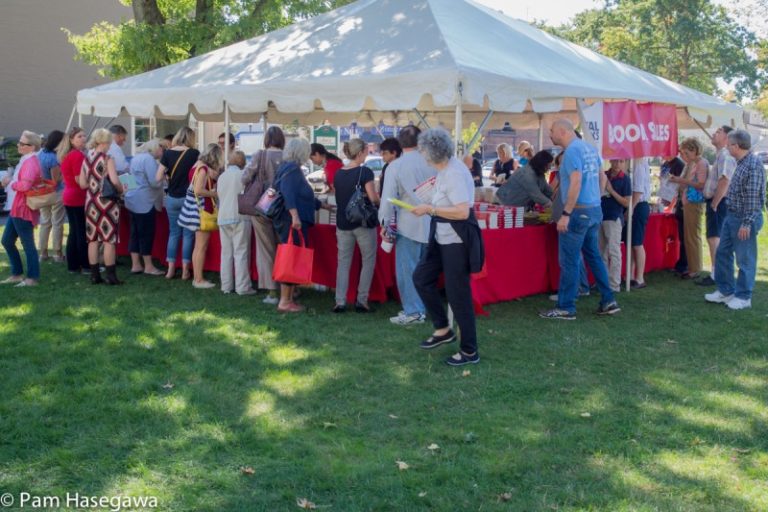
 Legendary baker
  Wine lovers of every varietal (ha!) will enjoy this rare opportunity to sample wines under the direction of New York Times chief wine critic
 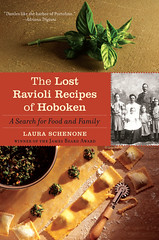 James Beard Award-winning author
 “Excellent food.”
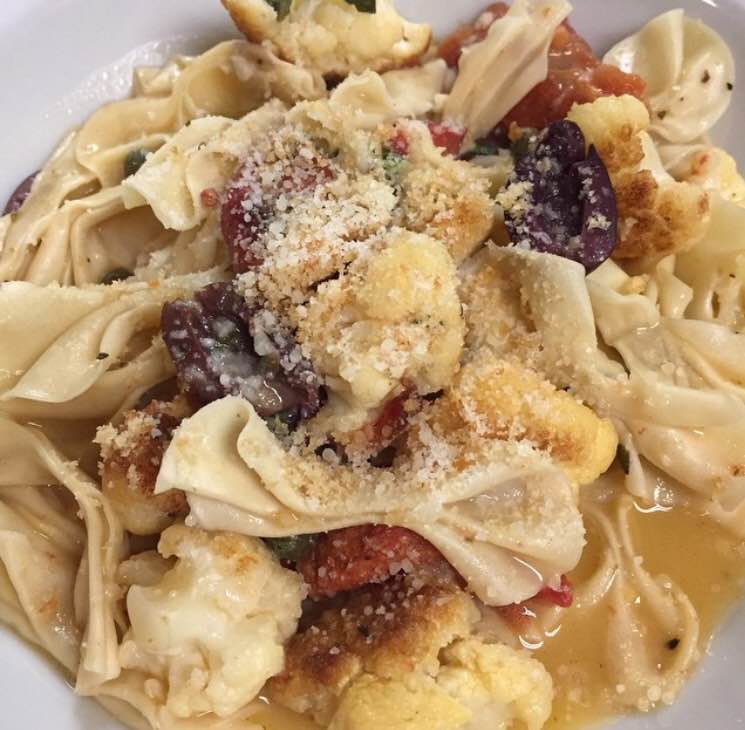
 When our pasta dishes arrived, that’s when the excellence of Porcini’s magic hit me. The pasta was homemade. All of it! Nowhere on the menu was that even mentioned; yet here they were, surprising our taste buds with homemade treats. There’s just something about homemade pasta that makes what would be a normal dish completely extraordinary. The time, the effort, and let’s be honest, the love that goes into making pasta is transferred directly into the dish. Just one bite of farfalle was like getting a big hug from an Italian grandmother. Except, behind the kitchen door there’s no Italian grandmother.
 “This is how we eat at home,” says co-owner Alexandria Mahon when I later spoke with her about what makes Porcini pop. “Simple, really flavorful dinners with candles. We’re a restaurant that’s small and intimate. We want you to feel like you’re dining with us at home.”
 Other highlights of the menu include the mushroom fettuccine, crab cakes, and the pork osso buco, which Mahon says on a Saturday night, is not surprising to see on every table.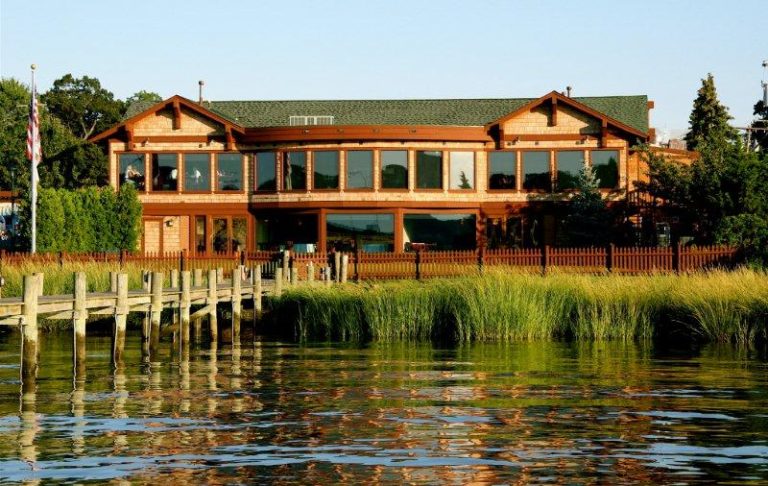
 Junior’s love of cooking started at an early age when he was shucking oysters and clams at Doris and Ed’s in the Highlands at age 15. Working his way through the restaurant business, Junior learned from the best, cooking at Jamian’s Food and Drink, Dive Coastal Bar, Charley’s and the Orange Lawn, and Tennis Club in South Orange.
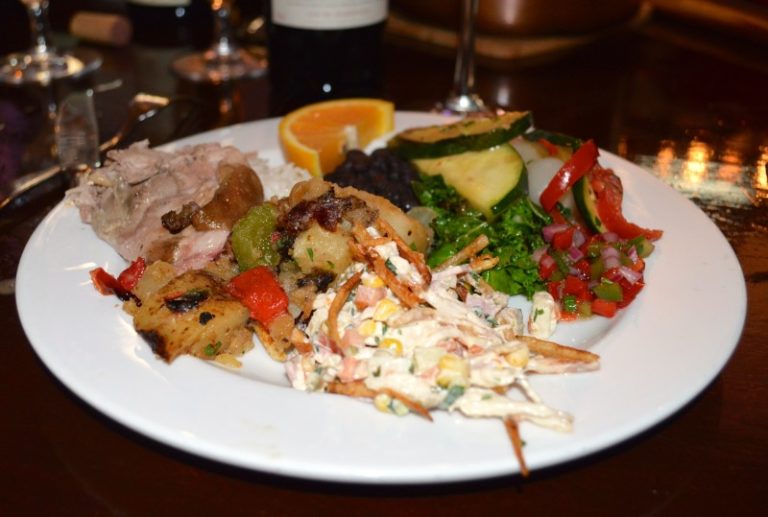
 As for the pièce de résistance—it was everything you would expect an organic, locally raised suckling pig would taste like in the hands of a talented chef. Unlike a lot of “pork dishes,” where the flavor of the sauce does its best to conceal the true pork flavor, Junior presented a pig that tasted just like pork. It was fatty, meaty, and perfectly cooked (not to mention the skin was on point in the crispy department). Brined for 24 hours then smoked for two and a half hours, it finally came together roasting in the oven in… duck fat for another two hours. With a recipe like that, you can bet the meat was full of flavor.